Blog Page 364

Small Investment Business Ideas from Rs. 5000 to 5 Lac

Small Investment business ideas – Starting a business with a small investment is an attractive prospect for many aspiring entrepreneurs in India. Today you will find a large number of young and dynamic people looking for small business ideas. They want to leave their 9 to 5 jobs and start their businesses. However, they are running out of business ideas and money. To help them, I am here with Small business Ideas starting from Rs.5000 to Rs 5 Lac.

Small Investment Business Ideas from Rs. 5000 to 5 Lac 

Small Investment Business Ideas with small investment Rs.5000 

Mobile Recharge & SIM card selling – Mobile recharge and SIM card selling is a business that can be started with a very low capital of Rs.5000. You need a small shop or place from where you can start this business. 

Tuition – Starting personal home-based coaching is another small business idea that can be started with Rs.5000. You should be very good at teaching to become successful in this business. 

Printer and Photocopy Business – You can start your own printer and photocopier business for Rs.5000. You just need an all-in-one small printer and a place from where you can run this business. It is advisable to start this business near school or college. 

40 Small Town Business Ideas with low Investments

Breakfast Shop – If you are good at cooking you can start your breakfast shop. You can start with keeping small food items. The quality of food and price is an important factor for the breakfast shop.

Small Business Ideas

Small Investment Business Ideas with small investment Rs.10000

Mineral Water Supply – Today many people are looking for fresh and clean water at home. Starting a mineral water supply business is a good idea. You can start this business with an investment of Rs.10000.

Selling Bakery products – You can start a business selling bakery products such as bread, cake, biscuits, etc. It is a low-cost business and it can be started with a small investment of Rs.10000.

Plant Nursery Products – You can start a backyard plant nursery in your spare time with low investment and turn it into a full-time business. In the metro city, people are ready to spend money on the greenery at home and office. With minimal overhead costs and the convenience of e-commerce, an online nursery can be a lucrative venture with immense growth potential.

20 Profitable Small Business Industries Ideas

Small Investment Business Ideas with investment of Rs.30000 to Rs.50000

Digital Studio – If you are creative and good at operating a camera and other equipment you can open your own digital studio. You need a good camera and a place to start this business. The approximate expense to start this business will be Rs.50000.

Videographer – Videographer is the profession where you need to work on a call basis for recording video or photos. You need a good quality camera for which you need to spend approximately Rs.30000.

Uniform Making – Uniform making is the next business idea that can be started with low investment. Every school student needs a school uniform. You can start this business at a low cost. It is recommended that you tie up with schools for uniform making.

Fast Food Shop – You can also think of starting a fast food shop. You must be aware that the food business is one of the most successful businesses. You need a small space and a good cook to start this business.

Travel Agency – If you are fond of traveling you can plan to start your travel agency. You need to tie up with various hotel and travel companies before starting this business.

170 Small Business Ideas with low investment

Small Investment Business Ideas with an investment of Rs.50000 to 1 Lac

Kids Play Center – Today Kids are crazy about games hence, starting a kids play center could be a successful business idea. You need to invest in a good PlayStation to start this business. The approximate investment required for this business is 1 Lac.

Beauty Parlor – Starting a beauty parlor is an idea for women. You need to do a course in the beauty parlor before starting. This business can be started from home with an investment of Rs.50000.

Artificial Jewelry Shop – Artificial jewelry and imitation jewelry are in big demand today. You can plan to start your own artificial jewelry business. If you have your shop you need to invest 1 Lac to start this business.

Wedding Planning – Today many people prefer a wedding planner when it comes to a wedding. You need a small space and a small amount of investment to start this business. Initially, you can start this business from home also.

15 Best Home Based Business Ideas for Housewives & Moms

Small Investment Business Ideas with an investment of 1 Lac to 5 Lac

Event Management – If you are good at management skills you can plan to start your own event management firm. You require a good number of contacts and investments to start this business.

Cyber Café – Today Internet is in demand and starting a cyber café business could be a good idea. You can start this business with an investment of 3 Lac.

Mobile Handset Shop – Smartphone business is another very good business idea. Today smartphones have become a status symbol and people change mobile handsets frequently. You can start this business with an investment of 5 Lac.

Tile and marble shop – If you are from a construction line or you have good knowledge about this line you can plan to start a tiles and marble shop. This business idea requires an investment of 5 Lac and above in addition to the shop.

Hope these small business ideas starting from Rs.5000 to 5 Lac will be helpful to you. If you are looking for any help, feel free to post your query in the comment section.

Note – The amount given here is indicative and may vary based on the type and size of the business.

Tips for Starting a Small Investment Business

  • Research thoroughly before choosing a business idea.
  • Develop a solid business plan outlining goals, target market, and financial projections.
  • Leverage digital marketing and social media to reach a wider audience.
  • Focus on providing exceptional customer service to build a loyal customer base.
  • Continuously adapt and innovate to stay ahead in a competitive market.

FAQs

  1. Can I start a small investment business part-time while working a full-time job?

    Yes, many entrepreneurs initially start their businesses on a part-time basis while maintaining a steady income from their jobs. As the business grows, they may transition into full-time entrepreneurship.

  2. What are some creative ways to market a small investment business?

    Utilize social media platforms to showcase products or services, collaborate with influencers or local businesses, offer promotions or discounts, and participate in community events or markets.

  3. How important is it to conduct market research before starting a small investment business?

    Market research is crucial for understanding customer needs, identifying competitors, and assessing demand for your product or service. It helps in making informed decisions and minimizing risks.

  4. Is it possible to secure funding for a small investment business if I don’t have personal savings?

    Yes, there are various options available such as bank loans, government schemes, crowdfunding platforms, or seeking investment from friends and family. However, it’s essential to have a solid business plan and repayment strategy in place.

  5. What should I consider when choosing a location for my small investment business?

    Factors to consider include foot traffic, competition, accessibility, rental costs, proximity to suppliers or target customers, and zoning regulations.

WhatsApp Payments – Simple Way to Send and Receive Money

WhatsApp Payments is now rolled out in India. This feature is available for both Android and iPhone smartphone users. WhatsApp Payments will turn out to be very good digital payment option for India. A simple option of making money transfer using WhatsApp is very convenient. In addition to that due to the large user base, this option is likely to get popularity soon. It is UPI based feature this means money will directly go to the bank account, this will eliminate a need for mobile wallets and other such financial instruments. If you are not sure How WhatsApp Payments will work? Here is a complete guide to WhatsApp Payments.

How to Download and use WhatsApp Payments?

WhatsApp Payments is rolled out for the selected users in India. You need to update your WhatsApp in order to use this. As per report 2.18.41 version is required for Android users and 2.18.22 version is required for iPhone iOS users. Follow the steps given below once your version upgrade is done.

  • Open WhatsApp and click on three dots on the top right corner
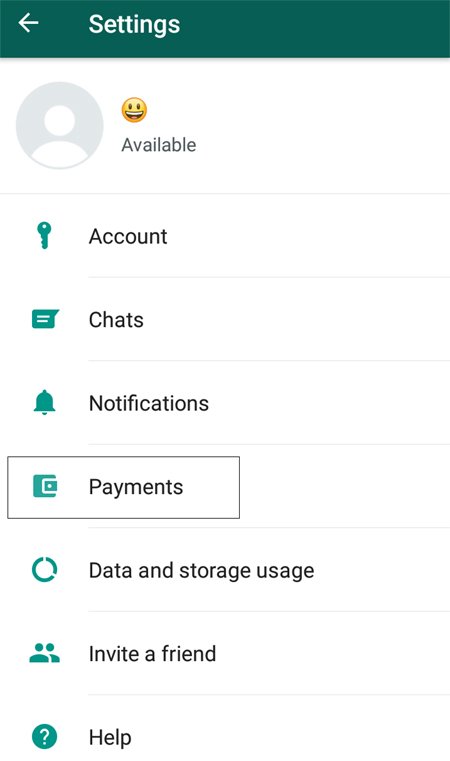
  • Click on settings. You will find an option of “Payments” below notification tab.

Whatsapp Payments

  • Click on that you will be asked to accept terms and condition. Click on “ACCEPT AND CONTINUE”.
  • Now you will be asked to verify your phone number via SMS. In order to do that you need to click on “VERIFY VIA SMS”.
  • The app will send you an SMS or verify your mobile number for registration.
  • How to Add Bank Accounts to WhatsApp Payments?
  • It is very easy to configure bank accounts in WhatsApp Payments app. Follow the steps given below.
  • Go to Settings -> Payments inside WhatsApp.
  • As your verification is completed you will be taken to the tab where you need to select your bank account.
  • Tap on the bank where you have a bank account.
  • If your mobile number is registered with multiple accounts in the same bank information about all accounts will be displayed on the screen.
  • Select the bank account which you would like to configure for payment setup.
  • If everything goes fine, you will see the UPI Setup Complete screen.

You can also configure multiple accounts in WhatsApp Payments. You need to repeat process given above to add another account. Out of these accounts, you need to select one account as a primary account.

Read – 10 Best Cashless Payment methods

How to send money via WhatsApp Payments?

You can send or receive money only if your friends or relative has configured their bank account with WhatsApp Payments. I suggest sending this guide to your friends and relative it will help them to configure the WhatsApp for sending and receiving payments.

Once it is configure it is easy to send and receive money via this app. This app does not allow payment to vendors or business partners such as Flipkart, MakeMyTrip or BookMyShow.

Here is a process to send money via WhatsApp Payments app.

  • Open the chat of the WhatsApp contact to whom you want to send money.
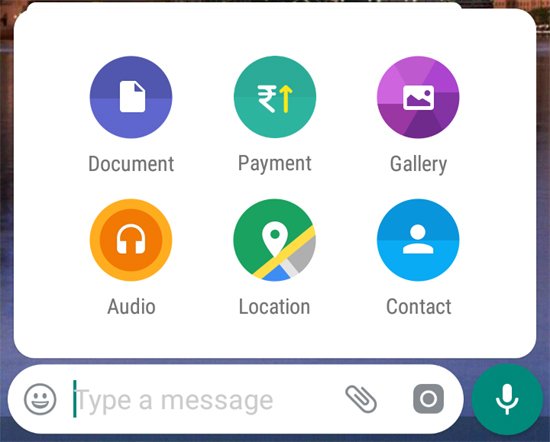
  • Click on Attach Symbol which is given near chat window. You will be able to see Payment option.

Whatsapp Payments

  • To send money, tap on this option and enter the amount you wish to send. You can also add a note to the message if you wish.
  • To authorize the payment you need to enter UPI PIN of bank account from where you are sending money.
  • Once you authorized the transaction money will be sent. You will be able to see this transaction as a part of message conversation.

WhatsApp will keep a history of all your transactions. You can see this history by going to View History tab given under Payment tab.

From above discussion, it is clear that WhatsApp Payments is simple peer to peer money transfer option that will surely help India to boost digital transaction on the move.

If you find this information interesting please share it with your friends and relatives.

Top 7 Ways to Transfer Money to India

How do I transfer money to India? Well, in the good old days, people were facing difficulty due to a lack of technology. However, today it is very easy to transfer money to India. There are lot of intermediaries or agents or companies which transfer the money from one country to another country in seconds. This has been a great help for those who are residing outside the country but have closed ones in India.

Transfer Money India

7 Ways to Transfer Money to India

ACH

Automated Clearing House transfer (ACH) is a great way for transferring money, but it is a traditional approach and not much relevant today because it takes almost a week to reflect the amount in the recipient’s Bank statement. This method is popular in US.

 Net Banking/Online Transfer

You can also send money to anyone in India via online transfer. Before transferring the money you would have to fill the form which is provided by the banks. Some basic information and details need to be filled up in the form and you can transfer money easily.

Also Read –How to transfer money via SBI Instant Money Transfer

Payment Gateways

Another popular method for money transfer to India is a payment gateway. A payment gateway is a service provided by an e-commerce application service provider. You can also use your credit card for this payment service. Transfer of Money through a Payment gateway has totally changed the way money can be sent. It is of great use.

Wire Transfer

The most used and adopted method of transferring money to another country recipient is wire transfer. This method requires the person to visit the branch and submit the recipient details, without which the transfer is not possible. The best example of this kind of wire transfer is “Western Union”.

Money Orders

This type of method is adopted by the sender when the amount to be transferred is in small denominations. This order helps the recipient to en-cash the order and take the money home while deducting some charges for the service they have provided.

Bank Drafts

Many Indian and International banks allow their account holders to make a bank draft in Indian Rupees. The bank drafts can be used in India. The bank draft of the State Bank of India is free if the bank draft amount is more than Rs. 50000.

Telegraphic Transfer – NRI and NRE Accounts Deposit

Telegraphic Transfer or telex transfer, often abbreviated to TT, is a term used to refer to an electronic means of transferring funds. A transfer charge is often charged by the sending bank and in some cases by the receiving bank. NRI & NRE Accounts need to be opened to get the money in the account deposited. The special feature of this kind of account is that these accounts can deposit the money in foreign currency and withdraw it in your preferred currency.

Some of the Best Transferring Agents (Per $ 1,000)

Name Fees Duration How it is?
Xoom 0 4 Hours Paypal Service. Now the delivery time has been reduced and is also in minutes. Most known for its security & support
Pangea Money Transfer $4.99 In Minutes Instant Money Transfer to India in Bank Account of SBI, HDFC,ICICI, Axis Bank
MoneyGram 2% of Amount In Minutes Similar to Western Union, company incorporated in USA, having branches world wide and stepping in the Indian Market with good hopes.
Western Union 21 In Minutes American Origin company based its H.O. at USA, one of the most trusted brand in the world in last 10 years.
Remit2India 9 1+ days Best way to transfer money to India with the best rates and lowest charges. Duration might become and issue
Payoneer 31 5 days Similar to Paypal. A Master Card. Monthly Fees for having and maintain the accounts. Promotion Bonuses Available.

Rate mentioned above are indicative and subject to change with change of country or service type.

3 Ways to invest in Direct Mutual Fund Plans

1

Picture this: you’re sipping your morning chai, scrolling through your phone, and suddenly it hits you – those small fees eating into your investments are adding up big time over the years. That’s the reality for many folks stuck with regular mutual funds. But here’s the good news – switching to Direct Mutual Funds can change the game entirely.

Direct Mutual Funds are basically the no-frills version of mutual fund investments. You deal straight with the fund house, skipping the middleman like distributors or advisors who take a cut in commissions. This means lower costs for you, and over time, that translates to higher returns compounding in your pocket. Isn’t that exciting?

In India, ever since SEBI introduced Direct Mutual Funds back in 2013, savvy investors have been flocking to them. Why? Because who doesn’t want more bang for their buck? Whether you’re a newbie just starting out or someone with a portfolio already, understanding Direct Mutual Funds Plans can help you keep more of what you earn.

Today, we’re diving deep into 3 Ways to Invest in Direct Mutual Funds Plans. We’ll keep it straightforward, no jargon overload, and throw in some real-life tips along the way. By the end, you’ll feel confident enough to take that first step. Let’s get started!

direct mutual funds investment

Why Choose Direct Mutual Funds Over Regular Ones?

Before jumping into the how-to, let’s chat about why Direct Mutual Funds are stealing the spotlight these days. It’s not just hype – there are solid reasons behind it.

First off, the big winner: lower expense ratios. In regular plans, fund houses pay commissions to agents or brokers, and guess where that money comes from? Your investments! That bumps up the expense ratio by about 0.5% to 1% or more annually. With Direct Mutual Funds, no commissions mean those savings stay invested, growing your wealth faster.

Think about it – even a 1% difference can turn into lakhs over 20-30 years thanks to compounding. For example, if you invest ₹10,000 monthly for 30 years at an assumed 12% return, the direct plan could leave you with noticeably more than the regular one. Mind-blowing, right?

Another perk? Full control. You’re the boss of your portfolio. No pushy sales pitches for funds that might not suit you. Plus, Direct Mutual Funds offer the same professional management, diversification, and options like equity, debt, or hybrid funds – just without the extra fees.

Of course, it’s not all rainbows. Direct Mutual Funds require you to do your own homework – researching funds, tracking performance, and staying disciplined. If you’re new to this, it might feel a bit overwhelming at first. But trust me, once you get the hang of it, it’s empowering.

Having said that, millions of Indians are making the switch, and platforms have made it easier than ever. So, if you’re ready to maximize returns, Direct Mutual Funds Plans are worth considering.

Lower Costs in Direct Mutual Funds

Let’s break down the cost thing a little more, because it’s the heart of why Direct Mutual Funds shine.

The expense ratio is that annual fee charged by the fund house for managing your money. In regular plans, it includes trail commissions paid to distributors – often trailing year after year. Direct Mutual Funds cut that out completely.

What does this mean in real numbers? Take a popular large-cap fund: the regular plan might have an expense ratio of 1.8%, while the Direct Mutual Funds version sits at 0.8%. That 1% saved annually compounds hugely.

Over time, your NAV (Net Asset Value) in Direct Mutual Funds grows higher because more money stays invested. It’s like running a race with lighter shoes – you go further with the same effort!

And don’t worry, the underlying portfolio is identical. Same fund manager, same stocks or bonds. The only difference? You pocket the savings.

3 Ways to Invest in Direct Mutual Funds Plans

Alright, the moment you’ve been waiting for. Here are 3 Ways to Invest in Direct Mutual Funds Plans, each with its pros and cons. Pick what fits your style – or mix them up!

Way 1: Through the Asset Management Company’s (AMC) Website

This is the most straightforward, old-school-yet-reliable method. Going straight to the source!

Most fund houses like HDFC Mutual Fund, SBI Mutual Fund, ICICI Prudential, or Axis have user-friendly websites. Here’s how it typically goes:

  • Visit the AMC’s official site.
  • Register as a new investor (you’ll need PAN, Aadhaar, bank details).
  • Complete e-KYC if not done already – it’s quick these days.
  • Browse funds, select the “Direct” growth option.
  • Set up SIP or lump sum payment via net banking.

Pros: Zero chance of hidden fees, direct from the horse’s mouth. Great if you’re loyal to one fund house.

Cons: If you want funds from multiple AMCs, you’ll juggle several logins. A bit tedious for diversification.

Many folks start here because it’s simple and builds confidence. Plus, some AMCs offer exclusive tools or insights on their portals.

Way 2: Using Registrar and Transfer Agents (RTAs) Like CAMS or KFintech

If juggling multiple websites sounds like a headache, this is your savior.

CAMS (Computer Age Management Services) and KFintech (formerly Karvy) handle transactions for most fund houses. Their portals – myCAMS or KFintech online – let you invest in Direct Mutual Funds from dozens of AMCs in one place.

Steps are similar:

  • Sign up on mycams.myonlineaccount.net or kfinkart.com.
  • Link your folio or create new ones.
  • Choose Direct plans across AMCs.
  • Invest via SIP, lump sum, or even switch funds.

Pros: One dashboard for everything. Easy tracking, consolidated statements. Perfect for building a diversified portfolio.

Cons: Interface might feel a tad old-fashioned compared to flashy apps, but it gets the job done reliably.

This way is super popular among seasoned investors who value consolidation without extra bells and whistles.

Way 3: Via Dedicated Investment Platforms and Apps

Welcome to the modern era! Platforms like Groww, Zerodha Coin, Kuvera, Paytm Money, or ET Money make investing in Direct Mutual Funds a breeze.

These apps are designed for ease:

  • Download the app or visit the site.
  • Complete quick KYC.
  • Search for funds, compare performance, expense ratios, etc.
  • Invest in Direct Mutual Funds with a few taps – SIPs auto-debit seamlessly.
  • Track everything in one sleek dashboard, with alerts and reports.

Pros: Super user-friendly, loaded with tools like calculators, goal planners, and recommendations. Zero commissions, great for beginners. Many offer free insights or family accounts.

Cons: You’re trusting a third-party platform (though they’re SEBI-registered and secure). Some might push other products, but you can ignore that.

This is hands-down the most popular way nowadays, especially for younger investors. It’s like having a personal finance hub in your pocket!

Whichever way you choose, always double-check you’re selecting the “Direct” plan. It’s usually marked clearly.

Tips for Getting Started with Direct Mutual Funds Plans

Dipping your toes in? Here are some handy tips to make it smooth.

  • Complete KYC First: It’s a one-time thing. Use Aadhaar for instant e-KYC.
  • Start Small: Begin with a ₹500 SIP to test waters.
  • Research Wisely: Look at past returns, fund manager track record, and risk level. Sites like Value Research or Morningstar help.
  • Diversify: Don’t put all eggs in one basket – mix equity, debt, and hybrid.
  • Stay Long-Term: Mutual funds, especially Direct Mutual Funds, reward patience. Aim for 5-10 years minimum.
  • Switch Smartly: If moving from regular to direct, watch for exit loads and taxes.

And remember, markets fluctuate. Don’t panic-sell during dips – that’s when real wealth builds.

Common Mistakes to Avoid in Direct Mutual Funds

Even smart folks slip up sometimes. Here’s what to watch out for:

  • Chasing past performers blindly – what’s hot today might cool tomorrow.
  • Ignoring risk – equity Direct Mutual Funds can be volatile.
  • Frequent switching – it triggers taxes and disrupts compounding.
  • Forgetting to review – check your portfolio yearly, rebalance if needed.
  • Overlooking goals – align funds with needs like retirement or kids’ education.

Steering clear of these keeps your journey on track.

FAQs

What exactly are Direct Mutual Funds?

Direct Mutual Funds are plans where you invest directly with the fund house, bypassing agents. This skips commissions, leading to lower costs and higher potential returns.

Are Direct Mutual Funds safer than regular ones?

Absolutely the same safety – both regulated by SEBI. The difference is just in costs and how you buy them.

Can beginners invest in Direct Mutual Funds Plans?

Yes! Platforms make it easy, but start with index funds if you’re unsure about picking actively managed ones.

How much can I save with Direct Mutual Funds?

Typically 0.5-1.5% lower expense ratio annually, which compounds to significant savings over time.

Is there a minimum investment amount?

Most start at ₹100-₹500 for SIPs, ₹5,000 for lump sums. Super accessible!

Do Direct Mutual Funds have the same returns as regular?

The gross returns are identical, but net returns are higher in direct due to lower fees.

Can I switch from regular to Direct Mutual Funds?

Yes, but it counts as redemption – pay exit load if applicable and capital gains tax.

Are there any hidden charges in Direct Mutual Funds?

Nope, just the stated expense ratio. Transparent all the way.

Conclusion

Wrapping it up, folks – investing in Direct Mutual Funds Plans isn’t rocket science, but it can rocket your wealth growth! By choosing one of the 3 Ways to Invest in Direct Mutual Funds Plans we’ve covered – AMC websites, RTAs, or modern apps – you’re setting yourself up for lower costs, better control, and potentially richer returns.

It’s all about that long game. Start small, stay consistent, and let compounding do its magic. Whether you’re dreaming of a comfy retirement, a world trip, or just financial freedom, Direct Mutual Funds can be your trusty sidekick.

Feeling pumped? Grab your phone, pick a platform, and make that first investment today. You’ve got this! And hey, if markets teach us anything, it’s that starting now beats waiting for “perfect” timing every single time.

Happy investing – may your portfolio grow greener than ever!