Blog Page 178

Top 7 Don’t of Starting a New Business: New Entrepreneurs Beware

You’ve finally decided to take the leap and bring your big idea to life. Exciting times, right? Starting a new business is like jumping onto a rollercoaster blindfolded—you’ll have moments of wild joy, gut-wrenching fear, and twists you never saw coming. But let’s not sugarcoat it—plenty of businesses crash and burn before they even get off the ground. Why? Because new entrepreneurs often fall into traps that could’ve been avoided with just a little heads-up.

This article is your wake-up call, your friendly guide, your “Hey, don’t go down that road!” manual. We’re diving deep into the Top 7 Don’ts of Starting a New Business—the critical missteps every new entrepreneur must avoid like the plague.

So buckle up, grab a coffee (or chai, if that’s your jam), and let’s make sure you don’t sabotage your dream before it even starts!

starting business

Top 7 Don’t of Starting a New Business: New Entrepreneurs Beware 

#1 Don’t Start A Business When You Are Desperate

You see it’s very easy to deceive ourselves and say, “We’re going to start this business and we’re going to make a profit in three months in six months, in a year. That’s simply not the case.

Most businesses don’t make money that quickly. Yes, in some cases you do have sort of online businesses where it’s easy to turn a profit, but I’m talking about most businesses that don’t make money in the first year.

They don’t make any money in the first few years. And it requires a substantial amount of investment in terms of time, in terms of money, to just get it going.

It is not easy to get a business going. So don’t start a business when you’ve got no money and don’t start a business when you’re living paycheck to paycheck.

  • How are you going to meet payroll?
  • How are you going to do marketing?
  • How are you going to get the business going?

You have to cover your living expenses at the same time, cover all the overhead in the business.

How are going to come up with that money? Answer the question. So don’t start a business when you’re desperate.

#2 Don’t Start A Business If You Don’t Know How To Close

I’m talking about how to sell, how to influence, how to make that sale. In business, nothing happens until a sale is made.

A lot of people say, “Oh, I’ve got an idea.” So What?

An idea doesn’t mean business. Unless you know how to turn that idea into a product or service that people want to buy.

And you know how to get your product or service into people’s hands. And you know how to communicate how to close in exchange for money, it doesn’t mean anything.

An idea is a dime a dozen, but the ability to close the ability to sit down with someone face to face on the phone, on camera, in video, on social media, how do you convince and persuade someone to give you money in exchange for your product or service? That’s the key.

If you know nothing about selling, you’re not qualified at the moment to start a business.

#3 Don’t Start A Business If You Don’t Understand The Industry

I am shocked by how many entrepreneurs when they have an idea and I ask them just a few questions.

  • What do you know about the industry?
  • Who are your ideal customers?
  • How are you going to reach them?
  • What are their frustrations?
  • What are their goals?
  • What qualifies you to be in this space?
  • Do you have any credibility?
  • Do you understand their emotional needs?

They know nothing about the industry. So why are you thinking of getting into this industry?

This is not how it works. You have to have something truly unique that you bring to the marketplace that is different from everybody else.

You could add more value, you can solve a problem that’s not being solved at the moment.

And that’s what gives you the right to start a business in that particular industry. Your success in business is largely determined by how well you understand your industry.

#4 Don’t Stort A Business Because You Are Sick Of Your Job Or Hote Your Boss

If you are sick and tired of your job, get a different job. It doesn’t mean you should start a business just because you don’t like your supervisor.

You don’t like your manager. You don’t like your boss. It doesn’t mean you should become your own boss.

It doesn’t make you ready. It doesn’t mean you are equipped to be your own boss to be in business for yourself.

It is a different game. Now, I’m not saying don’t do it.

I’m saying, do you know what it takes? Don’t start a business out of ego, just, “Oh, you know what? I don’t feel that I’m appreciated, I don’t like what I do. So I’m going to go start a business.”

  • Do you have the business acumen?
  • Do you have the right knowledge?
  • Do you have the right skills to make a business work?

No one talks about that. Let me quit my job and let me figure this out.

  • How are you going to pay your bills?
  • How are you going to support your family?
  • How are you even going to support yourself?
  • How are you going to support your business?

All the expenses, all the capital investment. Where does that come from?

You may think that I will get money from other people and raise capital. 

  • Sure, do you know how to raise capital?
  • Do you know how to do a pitch deck?
  • Do you know how to talk to investors?
  • Why would an intelligent investor even invest in you?

These are tough questions. You better have good answers for that. Because out there in the business world, it is cruel. 

And every single day, someone is trying to put you out of business every single day someone’s trying to kick your ass.

Someone’s trying to take customers away from you. Are you ready for that? 

#5 Don’t Start A Business Simply Because Your Family And Friends Tell You It is A Good Idea

Remember your family and friends they’re not your customers. They’re your family and friends.

What you need is you need to get direct feedback from the marketplace, from strangers, from people who don’t know you, people who don’t even want to support you.

Are they willing to vote with their wallet and say, “Hey, I want to buy your product, I want to buy your service?”

Not because your family and friends, your mom, your wife, your husband, your cousin, your sister say, “It’s a good idea.”

#6 Don’t Start A Business Thinking How Much Money You Can Make

A wise entrepreneur, an experienced entrepreneur doesn’t think about how much money I could make. No.

They think about the burn rate. They think about how much money they could lose before they go out of business, and how much time they have.

They have to make that work. How much time do they have before they close the door for good?

Now you don’t think about that, do you? You think about, “I’m going to make all this money.”

Have you ever thought about how much money you will lose?

  • What if it doesn’t work?
  • What if it takes you way longer than you think?
  • What if it costs you twice as much as you think?
  • How are you going to handle that?

These are very, very good questions you need to have answers for.

“Oh yeah, it’s going to work in one month.” No, It’s not going to work in one month.

It’s not going to work in two months, it takes time. To be a good entrepreneur you have to be a realist.

You have to look at the facts. You have to look at the data. You have to look at the numbers.

By the way, do you know how to read financial statements?

  • Do you know how to negotiate?
  • Do you know how to build a team?
  • Do you know how to raise capital?
  • Do you know how to market?
  • Do you know how to sell?
  • Do you know how to handle conflicts?
  • Do you understand the strategy?
  • Do you understand the business model?

#7 Don’t start a business unless you are willing to commit 10 to 20 years to the business

What, what are you talking about? I thought I was going to start a business and I’m going to exit in three to five years.

Now that does happen to some people, not most people. 

But going into the business, you have to think about long-term.

Think about 5,10,15,20 years. If you exit in five years and you walk away with a lot of money, good for you.

But what if you don’t? That 10-year period of time, that 15-year period of time knowing the first few years, probably a good chunk of that first 10 years, you’re not going to make much.

It’s going to be tough. You’re going to face a lot of obstacles. It’s going to be very, very stressful. It comes with a game and that’s part of being an entrepreneur.

Are you ready for that?

I have come across many such problems in the business. I have no one to talk to.

  • How am I going to pay the bills?
  • How I’m going to solve this problem?
  • How am I going to meet payroll?
  • How am I going to pay rent?

No one could help me. No one’s coming to rescue me in any way, shape or form.

I had to figure it out. And I stuck through that period. And I kept on going and I didn’t give up.   

So those are the seven things of what not to do when starting a business.

Frequently Asked Questions (FAQs)

Is it really necessary to write a business plan for a small venture?

Absolutely. Even a one-pager can make a world of difference in helping you stay focused and make smarter decisions.

How much capital should I keep aside when starting a new business?

Try to have enough to sustain operations for 6–12 months, covering rent, salaries, and unforeseen hiccups.

Do I need a website right away?

Yes! In today’s digital-first world, having a basic website builds credibility and makes it easier for customers to find you.

When should I hire my first employee?

Once you’ve validated your product/service and can’t manage everything yourself. Don’t rush—hire slowly and wisely.

What’s the best marketing strategy for beginners?

Start with the channels your audience already uses—Instagram, LinkedIn, email newsletters, or even WhatsApp Business. Consistency matters more than going viral.

Final Thoughts

Starting a new business is thrilling—but it’s also a minefield of rookie mistakes waiting to explode. And trust me, even the savviest entrepreneurs have stepped on a few.

The difference between those who make it and those who don’t?
Awareness and agility.

Knowing what not to do is often more important than knowing what to do. So, as you set sail on your entrepreneurial journey, let this article be your compass, pointing you away from the icebergs and toward safe shores.

Avoid these 7 don’ts like your business depends on it—because it absolutely does.

Top 5 Project Management Software for Small Business

In the fast-paced world of small businesses, managing projects efficiently can be the key to success. As a small business owner or manager, you need reliable project management software that won’t break the bank. This article will introduce you to the top 5 project management software options tailored to the unique needs of small businesses. We’ll explore their features, benefits, and pricing to help you make an informed decision.

Project Management Software

Why Project Management Software Matters for Small Businesses

Small businesses often have limited resources, making it crucial to maximize efficiency in every aspect. Project management software can streamline tasks, improve collaboration, and enhance productivity. Let’s dive into the benefits of utilizing these tools.

Improved Organization and Efficiency 

Project management software keeps all your tasks, deadlines, and team communication in one place. This centralized approach reduces confusion and enhances efficiency.

Better Collaboration 

Collaboration is key in small businesses. These tools enable seamless communication and document sharing among team members, regardless of location.

Enhanced Time Management 

Time tracking and scheduling features help small businesses make the most of their limited resources, ensuring projects stay on track.

Annual Leave Tracking

Time off management software that automatically tracks your team’s leave, keeps your company’s time off calendar updated, and handles all new leave requests.

Scalability 

As your small business grows, your project management needs may evolve. Scalable software can adapt to your changing requirements.

Cost Savings 

Small businesses often operate on tight budgets. Investing in project management software can lead to significant long-term cost savings.

Top 5 Project Management Software for Small Businesses

Now that we’ve covered the importance of project management software let’s dive into the top 5 options ideal for small businesses. Each of these offers unique features and pricing tailored to the specific needs of small teams.

Trello 

Trello is a simple and visually intuitive project management tool. Its boards, lists, and cards make it easy to organize tasks and collaborate with team members. The free version is sufficient for many small businesses, while the Business Class and Enterprise options offer advanced features.

  • Easy-to-Understand Layout: The intuitive drag-and-drop interface allows even the tech-averse to get things done!
  • Customizable Boards: Tailor your boards to suit your business processes, whether you’re in marketing, design, or just about any industry.
  • Collaboration Made Easy: Invite team members to your board, assign tasks, and watch your projects take flight.
  • Mobile App Magic: With the mobile app, you can manage your projects from anywhere, be it a coffee shop, a client meeting, or your favorite hammock!

Asana 

Asana is a popular choice for small businesses. Its clean and user-friendly interface is perfect for project planning and team collaboration. The free version works well for small teams, while the Premium and Business plans offer more robust features.

  • Task Tracking Heaven: Easily create tasks, assign them, and set due dates, ensuring that nothing falls through the cracks.
  • Project Planning Made Simple: Create project timelines, set milestones, and visualize your path to success.
  • Team Collaboration: Communicate seamlessly with your team members, reducing the dreaded email clutter.
  • Integrations Galore: Asana integrates seamlessly with tools like Dropbox, Adobe Creative Cloud, and more!

Monday.com 

Monday.com is a versatile project management software with customizable workflows. It’s a great choice for small businesses looking for a tailored solution. The pricing is based on the number of users, making it budget-friendly for small teams.

  • Customizable Workflows: Build workflows that fit your unique needs. You’re the boss!
  • Colorful and Visual: Monday.com’s interface is a feast for the eyes, making work feel less like work.
  • Automation Magic: Set up automations to reduce repetitive tasks and free up your time.
  • Time Tracking: Keep an eagle eye on how much time is spent on each task.

Wrike 

Wrike offers a range of project management solutions, making it suitable for various small business needs. Its dynamic Gantt charts and task management tools are user-friendly. The free version is available for small teams, and the Professional and Business plans offer more features.

  • Task Management: Break down your projects into tasks and subtasks for a streamlined workflow.
  • Gantt Charts: Visualize project timelines and dependencies with easy-to-use Gantt charts.
  • Reporting and Analytics: Get insights into your team’s performance and project progress.
  • Request Forms: Streamline project requests and ensure nothing falls through the cracks.

Zoho Projects

If you’re looking for a one-stop solution for project management, Zoho Projects has got your back. It’s not just about tasks; it’s about running your entire business smoothly. Key features of Zoho Projects are given below.

  • Task Management: Create, assign, and track tasks effortlessly.
  • Time Tracking and Billing: Keep a tight rein on time spent and manage your billing with ease.
  • Resource Allocation: Allocate resources efficiently, ensuring your projects stay on track.
  • Financial Tracking: Monitor project expenses, revenue, and profitability.

How to Choose the Right Software for Your Small Business 

Selecting the ideal project management software for your small business can be challenging. Consider the following factors:

Size of Your Team 

Evaluate how many team members will be using the software. Some options are better suited for small teams, while others can scale up for larger organizations.

Project Complexity 

Determine the complexity of your projects. Some software offers advanced project planning and tracking features, while others are more simplistic.

Integration Needs 

Consider whether you need your project management software to integrate with other tools you’re already using, such as CRM or email.

Budget 

Small businesses often have limited budgets. Ensure that the software you choose aligns with your financial constraints.

User-Friendliness 

An intuitive interface is essential. Choose software that your team can quickly adapt to without extensive training.

Conclusion 

In the world of small business, effective project management is the key to achieving goals efficiently. The top 5 project management software options we’ve explored – Trello, Asana, Monday.com, Wrike, and ClickUp – cater to different needs, ensuring that there’s an ideal solution for your small business. Evaluate your requirements, budget, and team size to make an informed choice and take your business to the next level.

FAQs 

Is there a single best project management software for small businesses? 

No, the best software depends on your specific needs. Evaluate your team size, project complexity, and budget to find the right fit.

Are these project management tools suitable for remote teams? 

Yes, all the mentioned tools are excellent for remote teams. They offer features for seamless collaboration and communication.

Can I switch from one software to another if my business grows? 

Yes, most of these tools offer scalability and data migration options to accommodate your business’s growth.

Are there any free project management software options for small businesses? 

Yes, Trello, Asana, and ClickUp offer free versions that are suitable for small teams.

How do I train my team to use project management software? 

Most project management software provides tutorials and resources to help you and your team get started. Additionally, you can consider training sessions or hiring a consultant for a smoother transition.

Mutual Fund Risk-O-Meter and Risk Profiler Tool – How to Use?

Investing in mutual funds can be an exciting journey towards financial growth, but it’s not all sunshine and rainbows. Navigating the world of mutual funds requires you to be aware of the potential risks involved. That’s where the Mutual Fund Risk-O-Meter comes into play. In this comprehensive guide, we’ll break down everything you need to know about this nifty tool, from its purpose to how it functions, and why it’s crucial for your investments. So, let’s dive in and demystify the Mutual Fund Risk-O-Meter!

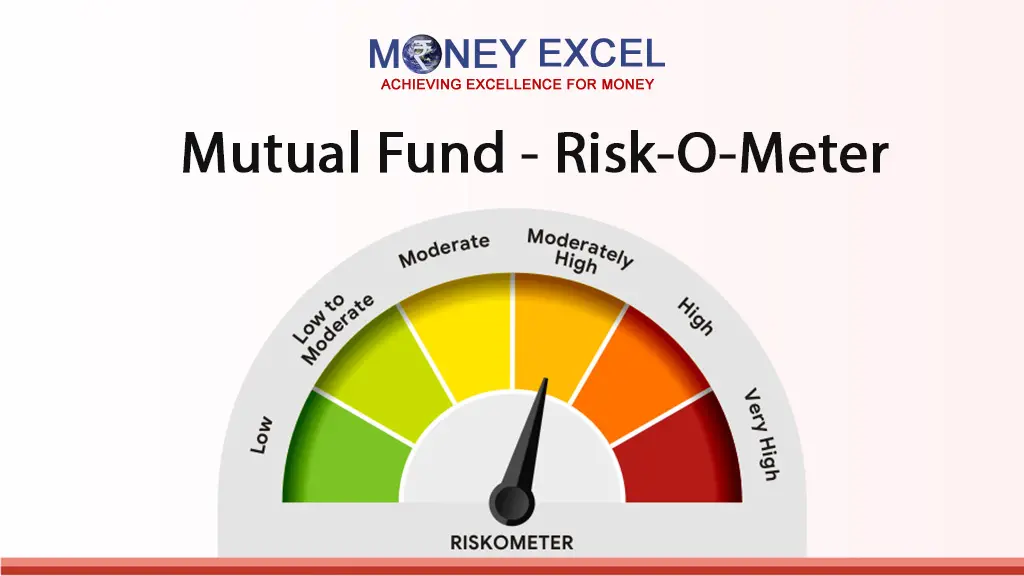
Rsik O Meter Mutual Fund

Understanding the Mutual Fund Risk-O-Meter

The Mutual Fund Risk-O-Meter is like your financial compass in the world of mutual funds, pointing out the potential hazards and helping you steer clear of them. It’s an essential tool for both seasoned investors and those just dipping their toes into the investment waters.

What is the Mutual Fund Risk-O-Meter?

So, what exactly is this Risk-O-Meter, and why does it sound like a sci-fi gadget? Well, it’s not that fancy, but it’s certainly useful! The Mutual Fund Risk-O-Meter is a rating system designed to assess the level of risk associated with a mutual fund. In simple terms, it tells you how bumpy the ride might be when you invest in a particular mutual fund.

The concept of risk-o-meter was introduced by SEBI from July, 1, 2015. Now, it is mandatory for all fund houses to display a riskometer depicting the five levels of risk. Risk-o-meter can be found on mutual fund brocher as well as AMFI website.

How Does it Work?

Now that you know what it is, let’s delve into how the Risk-O-Meter does its magic:

  • Fund Portfolio Analysis: It examines the investments held by the mutual fund. Are they primarily in stocks, bonds, or a mix of both? The proportion of assets allocated to these different investment types plays a significant role in determining the risk level.
  • Historical Performance: The Risk-O-Meter also considers how the mutual fund has performed in the past. If it has a history of wild fluctuations, it’s likely to receive a higher risk rating.
  • Volatility: Volatility measures the ups and downs in the value of the mutual fund. Higher volatility often equates to higher risk.
  • Expense Ratio: The expenses associated with managing the mutual fund can impact its overall returns. Lower expenses generally translate to a lower risk rating.
  • Credit Quality of Holdings: If a fund holds bonds, the credit quality of those bonds is scrutinized. Lower-quality bonds can increase the risk.
  • Objective and Strategy: The stated investment objective and strategy of the fund are also considered. Some strategies inherently carry more risk than others.

Why Does it Matter?

“But why should I care about this Risk-O-Meter?” you might wonder. Well, here are a few compelling reasons:

  • Risk Tolerance: Your own risk tolerance is a crucial factor in your investment decisions. The Risk-O-Meter helps you align your investments with your comfort level.
  • Diversification: If you have a diversified portfolio with a mix of high and low-risk investments, you can use the Risk-O-Meter to fine-tune it.
  • Setting Expectations: Knowing the risk level of your investments helps set realistic expectations. High-risk funds can deliver high rewards, but they can also result in significant losses.
  • Long-Term Goals: Depending on your financial goals and timeline, you might prefer lower or higher-risk investments. The Risk-O-Meter aids in this decision-making process.

Risk Levels and Their Significance

The Mutual Fund Risk-O-Meter categorizes mutual funds into different risk levels, ranging from low to high. These risk levels are typically represented as stars, with more stars indicating a higher level of risk. But what do these risk levels mean, and how should you interpret them? Let’s break it down:

Low Risk (1-2 Stars)

  • Who It’s For: These funds are suitable for conservative investors who prioritize capital preservation over aggressive growth.
  • Typical Investments: Low-risk funds primarily invest in stable assets like government bonds or blue-chip stocks.
  • What to Expect: Expect steady, but modest returns with minimal fluctuations in the fund’s value.

Moderate Risk (3 Stars)

  • Who It’s For: Investors who seek a balance between growth and stability often opt for moderate-risk funds.
  • Typical Investments: These funds typically hold a mix of stocks and bonds, providing a reasonable compromise between risk and return.
  • What to Expect: You’ll likely experience some ups and downs, but overall, your investments should grow at a reasonable pace.

High Risk (4-5 Stars)

  • Who It’s For: High-risk funds are designed for those willing to take on a substantial amount of risk in exchange for the potential for high returns.
  • Typical Investments: These funds often focus on stocks and may invest in more speculative companies or sectors.
  • What to Expect: Be prepared for a rollercoaster ride. High-risk funds can yield impressive gains but come with a higher chance of significant losses.

Managing Risk with the Mutual Fund Risk-O-Meter

Now that you understand the Risk-O-Meter’s ins and outs, it’s time to put this knowledge to good use. Managing risk effectively is key to a successful investment journey. Here are some tips on how to do just that:

Know Your Risk Tolerance

Understanding your own risk tolerance is the first step. Are you comfortable with market volatility, or do you panic at the slightest downturn? Be honest with yourself, and choose funds that align with your comfort level.

Diversify Your Portfolio

The age-old saying, “Don’t put all your eggs in one basket,” holds true in the world of investing. Diversification involves spreading your investments across different asset classes, reducing the impact of a poor-performing investment on your overall portfolio.

Review Your Investments Regularly

Market conditions change, and so should your investment strategy. Periodically assess your portfolio and make adjustments as necessary. If a fund’s risk level shifts, it might be time to reconsider your investment.

Seek Professional Advice

If the Mutual Fund Risk-O-Meter and the intricacies of investing leave you scratching your head, don’t hesitate to seek advice from a financial advisor. They can provide valuable insights tailored to your financial situation and goals. 

Use Risk Profile Tool

The risk profile tool is a popular option for carrying out risk assessment. A risk profiler is a tool or assessment that helps individuals and investors evaluate their risk tolerance and capacity for taking risks in their financial endeavors. It assists in identifying the level of risk an individual is comfortable with and helps in making informed investment decisions. 

Using Risk Profiler Tools: Step by Step

  1. Identification: Begin by locating a reliable risk profiler tool provided by your mutual fund provider or a trusted financial website.
  2. Personal Information: You’ll be prompted to input personal information, such as your age, income, and financial goals. Be honest in your responses, as the tool relies on this data to assess your risk tolerance accurately.
  3. Risk Tolerance Assessment: The tool will analyze your inputs and determine your risk tolerance level, often categorized as conservative, moderate, or aggressive.
  4. Fund Recommendations: Based on your risk profile, the tool will recommend a list of mutual funds that align with your comfort level. These could include equity funds, debt funds, or hybrid funds.
  5. Review and Selection: Review the recommended funds, and choose the ones that resonate with your financial objectives.
  6. Diversify Your Portfolio: Remember, it’s essential not to put all your eggs in one basket. Diversify your investments across multiple mutual funds to spread the risk.
  7. Monitor and Adjust: Regularly monitor the performance of your investments and make adjustments as needed. Life circumstances change, and your risk tolerance may evolve over time.

FAQs: Your Burning Questions Answered

As we journey through the world of mutual fund risk, it’s only natural that questions arise. Here are some frequently asked questions to provide clarity on this subject.

Is a higher risk rating always a bad thing?

Not necessarily. A higher-risk fund can yield substantial rewards, making it a suitable choice for some investors. It all boils down to your personal risk tolerance and investment goals.

Can a low-risk fund offer good returns?

Yes, low-risk funds can provide steady and reliable returns. While the potential for high growth is lower, they are a safer option for conservative investors.

What’s the ideal mix of low, moderate, and high-risk funds in a portfolio?

The ideal mix depends on your financial goals and risk tolerance. Diversification is essential, but the specific ratio of low, moderate, and high-risk funds will vary from person to person.

Can the Risk-O-Meter change over time for a fund?

Absolutely. Market conditions and a fund’s investments can evolve, causing its risk level to shift. Regularly check your fund’s Risk-O-Meter rating to ensure it aligns with your goals.

Should I rely solely on the Risk-O-Meter when choosing a fund?

While the Risk-O-Meter is a valuable tool, it shouldn’t be your sole consideration. Factors like your financial goals, time horizon, and the fund’s past performance should also play a role in your decision.

Can I switch to a different fund if my risk tolerance changes?

Certainly! As your financial situation or risk tolerance evolves, don’t hesitate to shift your investments to better suit your current needs.

Conclusion

In the vast and sometimes turbulent world of mutual funds, the Mutual Fund Risk-O-Meter serves as your guiding star. It helps you navigate the intricate paths of investing and empowers you to make informed decisions. Remember, understanding your own risk tolerance and staying informed about your investments are the keys to a successful journey in the world of mutual funds. So, whether you’re seeking the safety of low-risk funds, the balance of moderate-risk, or the excitement of high-risk investments, the Risk-O-Meter is your trusted companion.

Investing doesn’t have to be intimidating or overly complex. With the right knowledge and tools, you can confidently chart your course towards financial success. So, embrace the Mutual Fund Risk-O-Meter, and embark on your investment adventure with confidence. The risk may be there, but so are the opportunities for growth and prosperity. Happy investing!

Washmart Franchise Opportunity: Profit from the Booming Laundry Business in India

The market for laundry solutions in India has expanded considerably over the past decade and is now thought to be valued at more than Rs 20,000 crores. Over the following five years, the market is anticipated to maintain its present expansion trajectory at a CAGR of 7.5%. Rising hygienic consciousness, the use of technology-driven offerings, and the accessibility of reasonably priced laundry services are major growth drivers in the sector.

A very well-known laundry firm in Telangana is Washmart. They already have locations in Hyderabad’s Gachibowli, Madinaguda, and Kukatpally. In Hyderabad, they collaborate with 26 hotels and hospitals to offer their services. Washmart franchises are available in more than 21 states across India, in addition to the existing presence in Telangana.

laundry business india

The Services

The Washmart offers a variety of services, including laundry, dry cleaning, house cleaning, ironing clothes, etc.

Washmart is undoubtedly quite an amazing and glorious concept in the laundry and dry cleaning industry, Washmart franchisees can open Washmart in their localities and work for themselves. It can be a great initiative and also in addition can give you a solid income.

COVID-19

Every passing day, people are learning more about the advantages of using professional washing services and as a result of the development of technology and social media, laundry services are a common option for families, students, and busy professionals because of their accessibility and low cost. Additionally, because of the COVID-19 pandemic’s increased focus on hygiene, more people turned to commercial laundry services, this can be termed as a self-awareness act!

Franchise

Washmart provides services of every kind right there in the Washmart Store. Here, other service locations are not necessary as you may easily choose to perform all laundry services in one location. In order to become a Washmart Franchisee, the raw material supplier will give you the required raw material in quantities sufficient for the first three months. The company will charge individuals a very small amount for the raw materials. Leading hotels and medical facilities will partner with the organisation and one will soon receive orders from those locations if there are any of their branches nearby. With a 16 lakh investment amount, the company charges a franchise fee of Rs 5 lakh to obtain the Washmart franchise. This payment is not at all transferable. This service fee is assessed after ten years of service as well as ten years of marketing and branding. The Washmart setup receives the remaining sum. The company must get an additional payment of Rs. 5,00,000 for the franchise interior machines. For this sum, the company will provide the interested candidates with the washing machines they require. The five-year franchise agreement will only be effective then and can be renewed after ten years. There is only a 500 rupee renewal cost and it must also cover the expense of the contract.

washmart-franchise

Requirements

It takes at least 250-300 square feet of commercial space in a busy region to open a Washmart franchise. The outlet’s interior should feature a Washmart concept. The company will provide direction. Additionally, three people are needed to operate the store. One person runs the machinery, while the other receives orders at the cash register and remains there while packing. The business provides franchise employees with comprehensive training. offers technical assistance for all machinery. The business will help you with machine maintenance and repair.

washmart how we work

Business

Around 12–16 lakhs will be needed as an investment to launch this Washmart business. The cost of the equipment, the interior, the franchise fee, and the supplies needed for the franchise are included in this sum. These are all offered by the business. The necessary items for the outlet do not need to be purchased by the company. Even if an individual already has them, one can start a business with them. If he/she already owns the equipment required for infrastructure, they do not need to purchase them from the company. This will result in a lower initial expenditure. One can purchase all the electronic items, such as a printer and CCTV camera, for the Washmart franchise setup.

This franchise has a 30% profit margin on sales in terms of revenue. A business can receive business leads from the company. One will receive orders from the business with whom they are affiliated and also will be required to pay them a 5% service fee. One must pay the corporation 10,000/- rupees if the monthly sales total is about 2 lakh rupees.

Other Laundry Business Success Story

Nishant Tripathi, who launched the upscale online dry cleaning and laundry service company Dhobilite. In 2011, he founded this business intending to set the standard for laundry services in India.

2011 marked the beginning of his operations. He experimented with and refined the company strategy and software throughout the years. He enriched the laundry industry in 2015 by becoming India’s first on-demand, app-based laundry service provider. He currently has more than 20 locations and has expanded into more than 15 cities in the last two years, and it is massive. He also has more than 30 franchises. He also has factories in Hyderabad, Faridabad, Lucknow, Gurgaon, and Noida.

Franchisee Testimonial

“Being a member of the Washmart family makes me very happy. The demand for dry cleaning and laundry services is astounding, and my store’s affiliation with Washmart has given it a competitive edge. The corporate team’s assistance has been outstanding, which has streamlined the setup procedure. The tried-and-true business model of Washmart has already demonstrated remarkable promise, and I’m optimistic about the future of my store.” – says Gaurav Saini, a Store Owner Of Washmart in Jammu!

How To Get Started?

Getting started is incredibly simple! You’ll have guidance every step of the way, but the initial decision rests with you, and it can truly transform your destiny and livelihood. While all the details are outlined above, if you find yourself in doubt, don’t hesitate to address it. Speak up and embark on this journey with confidence, ensuring success for yourself and helping others in the process.

Offering specialised services, such as eco-friendly detergent alternatives or same-day turnaround for busy professionals, adds an intriguing dimension to launching a laundry business. Furthermore, collaborating with local dry cleaners or offering convenient pickup and delivery services can set you apart from competitors and attract a loyal customer base. This initial investment can quickly yield substantial returns, paving the way for a thriving company through effective marketing strategies and a strong focus on delivering exceptional service.

Conclusion

Washmart is nothing but a great deal. In today’s busy schedule, people do not have much time to wash or iron clothes, people want them ready-made – fresh and pressed. Hence, waiting for someone else to do it cannot be an option – the option is all about joining the community and walking towards a big opportunity to change the destiny of yours as well as the others. 

To know more about Washmart franchise, simply visit their website – https://washmart.in