Blog Page 165

Are You Protecting Your Finances?

Many of us plan and prepare for the future on a regular basis. We plan for injury and illness with health insurance, plan for our families after we are gone with life insurance, and plan for retirement with a 401K or IRA. 

But are we doing enough to ensure that the plans we make are protected, especially our financial plans? There have been many items in the news over the last decade of the financial crisis and the embezzlement of funds from retirement plans. 

So, are there ways that you can protect your financial security for the future, and if so, what are the best ways to do this?

Protect Your Finances

What Investments Do You Have?

It is best to ensure you know at all times what investments you have in place and where they are. Although most people will hire the services of a financial adviser, it is not sensible to leave everything to them. 

If you do not know where your money is and how much you have, you are unlikely to notice if some of it goes missing. And while we know that the majority of financial advisors and investment services are completely safe to use and very reputable, unfortunately, some have proven that they are not. 

A regular review of your finances with your financial adviser or independently will also allow you to check that your money is in the right place to get the best return for your investment. 

If you are ever unsure if you can trust an investment, it is best to get a second opinion. You can make an appointment with a second financial adviser or use a site such as Our Fiscal Security for more information. The Our Fiscal Security home page will give you a wealth of information and links to more information throughout the website. 

Diversify Your Investments

It is best if you have a large amount of money to invest that you diversify the investments you make so that all of your money is not at risk in the same place. You can have money saved in an investment fund, in a 401K, or in precious metals, for example. 

When diversifying your investment portfolio, unless you have a background in finances and investments, you will more than likely require the services of a specialist. It can be daunting to put your trust in someone when it comes to your life savings and retirement funds, but there are some checks that you can do. 

It is important to ensure that whoever you use to make investments on your behalf is licensed to be able to do so. When you find someone you are planning to use, it is best to ensure that you look into their background and check their credentials. 

You can do this in a variety of ways; an online search is usually the quickest and easiest way to do so. Online searches will also show you how long a website has been running and when a business was set up. 

You will also be able to see reviews of other customers for the person or company you are interested in hiring. It is worth taking the time to fully vet them before handing over your hard-earned money. 

From Hedge Funds to Main Street: Demystifying the Appeal of Private Credit Investments

0

In the ever-evolving landscape of investment opportunities, private credit has emerged as a compelling option for diverse investors, transcending its traditional roots in hedge funds and institutional portfolios to find a place on Main Street. This dynamic shift is driven by various factors, including changing market conditions, the search for yield in a low-interest-rate environment, and the increasing demand for alternative investments. 

In this article, we’ll delve into the world of private credit investments, exploring what they entail, why they’ve become attractive, and the impact they can have on sophisticated institutional investors and individual retail investors.

private credit investment

Understanding Private Credit

Private credit refers to debt or credit instruments that are not publicly traded. Unlike traditional bonds, private credit investments are not listed on public exchanges, which means they lack the liquidity and transparency associated with publicly traded securities. Instead, these investments are typically negotiated directly between borrowers and lenders, often facilitated by asset managers or specialised funds.

Historically, private credit was the domain of institutional investors and high-net-worth individuals, primarily accessed through hedge funds. However, over the past decade, there has been a notable democratisation of access to private credit, with a growing number of retail investors seeking exposure to this asset class.

The Appeal of Private Credit

The appeal of private credit vs private equity lies in its unique characteristics that attract a diverse range of investors. In a financial landscape characterised by low-interest rates, private credit offers an opportunity for enhanced yields that may outperform traditional fixed-income investments. The asset class’s non-correlation with public markets adds valuable diversification to investment portfolios, reducing overall risk. 

Despite the challenges of increased illiquidity and the need for rigorous due diligence, the appeal of private credit persists as investors seek alternatives that offer a balance between risk and reward in an ever-changing market environment. Private Credit is favoured due to factors such as:

Yield in a Low-Interest-Rate Environment

One of the primary drivers behind the appeal of private credit is the quest for yield. In an environment where traditional fixed-income investments offer historically low results, investors explore alternative avenues to enhance their returns. Personal credit, with its potential for higher yields, becomes an attractive option for those willing to take on a level of illiquidity in exchange for enhanced income potential.

Portfolio Diversification:

Private credit investments often correlate poorly with traditional asset classes such as stocks and bonds. This lack of correlation can contribute to portfolio diversification, helping investors manage risk more effectively. As diversification becomes a crucial aspect of portfolio construction, private credit’s non-traditional risk and return profile can provide a valuable contribution.

Flexibility and Customization

Unlike public markets, where terms are standardised, private credit transactions are negotiated directly between the lender and borrower. This allows for a high degree of flexibility and customisation in deal structures. Investors can tailor their exposure to meet specific risk and return objectives, a level of control only sometimes achievable in public markets.

Risk Mitigation Strategies

Private credit investors often focus on niche market segments, such as direct lending to middle-market companies or financing for real estate projects. This targeted approach allows investors to implement risk mitigation strategies based on their expertise and the unique characteristics of the underlying assets.

Challenges and Considerations

While the appeal of private credit is evident, investors must know the challenges and considerations associated with this asset class. Some key points include:

Illiquidity Risk

Private credit investments are inherently less liquid than their public counterparts. Investors must be prepared for extended lock-up periods and reduced ability to sell or exit their positions quickly.

Due Diligence Requirements

Conducting thorough due diligence is paramount in private credit investing. Private credit transactions may involve more opaque information than publicly traded securities subject to stringent regulatory disclosure requirements. Investors must carefully assess the creditworthiness of borrowers and the quality of collateral.

Market and Economic Sensitivity

Economic and market conditions can influence private credit performance. A downturn in the economy or a specific industry can impact the ability of borrowers to meet their obligations, emphasising the importance of ongoing monitoring and risk management.

Conclusion

The evolution of private credit from a niche investment strategy for hedge funds to a viable option for Main Street investors highlights the adaptability and resilience of the financial markets. As investors seek attractive risk-adjusted returns in a changing investment landscape, private credit’s unique characteristics position it as a valuable component of a diversified portfolio. However, the journey from hedge funds to Main Street requires careful consideration of the associated risks, due diligence, and understanding of the illiquidity trade-off. With the right approach, private credit has the potential to offer a distinctive blend of income, diversification, and risk management for investors across the spectrum.

How to Make UPI Payments Using Credit Card?

Now you can make UPI Payments easily using your credit card. Welcome, tech-savvy amigos! Ever found yourself in a pickle at the cash counter with no cash? Fear not, because in this digital age, making payments has become as easy as pie! Today, we’re diving deep into the magical world of UPI payments using that trusty plastic friend of yours – the credit card. Buckle up as we unravel the secrets of seamlessly blending UPI and credit cards for a transactional symphony that’ll make your wallet do the happy dance!

credit card UPI Payment

How Does UPI Payment Using Credit Card Work?

So, you’re itching to know the nitty-gritty of making UPI payments with your credit card, huh? Let’s break it down like we’re talking over a cup of coffee!

Linking Your Credit Card with UPI:

    • Open your UPI-enabled app. It could be Google Pay, PhonePe, or any other app that supports UPI transactions.
    • Navigate to the ‘Add Bank Account’ section.
    • Choose your bank and select the option to add a credit card.
    • Enter the required details – card number, expiry date, CVV, and voilà! Your credit card is now linked with your UPI account.

Setting Up a UPI ID:

    • If you don’t have a UPI ID, it’s about time you get one. Think of it as your virtual address for receiving money.
    • Go to the ‘Profile’ section in your UPI app.
    • Find the ‘Create UPI ID’ option and follow the prompts to create your unique identifier. It’s like choosing your superhero name – make it memorable!

Making the Transaction:

    • Now that your credit card and UPI are in sync, it’s showtime!
    • Select the ‘Send Money’ option and enter the recipient’s UPI ID.
    • Punch in the amount you want to transfer. Flexibility is the key here – whether it’s a small debt or a big-ticket purchase, your credit card has your back.
    • Confirm the transaction with your UPI PIN, and whoosh! The money is on its way.

Benefits of Using UPI for Transactions

The following are the benefits of using UPI for transactions:

  • Instant Money Transfer: UPI helps in transferring money instantly, which can be done anytime. You do not need to wait for banking hours in order to transfer money. 
  • Multiple Bank Account Integration: UPI helps in linking multiple bank accounts into a single UPI ID which means you will be able to transfer money from any of the bank accounts linked which makes it a convenient solution to manage multiple bank accounts.
  • Contactless: Contactless payments have started gaining traction. If you are paying with a credit card, you still need to touch the swiping machine. However, when you link your credit card to UPI, you can use the money to pay without any contact number. For this, you need to scan a QR code, validate the payment, and complete the contactless payment process.
  • Rewards: As UPI is more accessible, people prefer using it. Once you have linked your credit card with UPI, its frequent use will help in collecting more reward points to avail discounts and rewards.

Common Roadblocks: Troubleshooting the Tech Hiccups

Even the smoothest rides have a speed bump or two. Here’s a quick guide on troubleshooting common issues when combining UPI and credit cards.

Card Not Linked?  

    • Double-check the card details you entered. A small typo could be the culprit.
    • Ensure your credit card is UPI-enabled. Some old-school cards might not have hopped on the UPI bandwagon yet.

Transaction Declined?  

    • Check your credit card’s available limit. Sometimes, your shopping spree might have left you short on funds.
    • Verify that your UPI ID is correct. A misplaced digit can throw the whole system off balance.

Slow Network?  

    • If your internet is acting up, try switching to a more reliable network. No one wants a transaction hanging in the digital limbo.

FAQs:  

Q: Can I use any credit card for UPI transactions?

A: Ideally, yes! Most banks are catching up with the UPI trend, but it’s wise to check if your credit card is UPI-compatible. If it is, you’re good to go!

Q: Is there a limit on UPI transactions with credit cards?

A: The sky’s the limit, my friend! Well, almost. Your credit card limit becomes your UPI transaction cap. So, spend wisely!

Q: What if the recipient doesn’t have a UPI ID?

A: No worries! Most UPI apps allow you to send money using the recipient’s bank account details directly. Just select the ‘Bank Account’ option instead of UPI ID.

Q: Are UPI transactions with credit cards safe?

A: Absolutely! UPI employs robust security measures, and your credit card details are as snug as a bug in a digital rug. Just remember to keep your UPI PIN a secret ninja move.

Tips and Tricks: Mastering the Art

Now that you’re a UPI credit card maestro, let’s sprinkle some fairy dust on your digital transactions!

  • Stay Updated:
    • Keep your UPI app and credit card details updated. Security patches and updates are like superhero suits – they keep you invincible.
  • Check Transaction History:
    • Regularly review your UPI transaction history. It’s like flipping through your digital diary, ensuring every entry is spot-on.
  • Share the UPI Love:
    • Spread the word! Let your friends and family in on the UPI secret. Soon, you’ll be the digital payment guru they turn to for advice.

Conclusion: UPI + Credit Card = Digital Harmony

And there you have it, folks! Making UPI payments using your credit card is the new-age symphony we’ve all been waiting for. It’s fast, it’s secure, and it’s the hip way to navigate the digital landscape.

So, the next time you’re out for dinner, and the bill arrives like an unexpected plot twist, whip out that credit card, fire up your UPI app, and make it rain digital currency! Because in this brave new world, the only currency that truly matters is the one that flows through the magical realms of UPI and credit cards.

Happy swiping, tapping, and digital high-fiving! How to Make UPI Payments Using Credit Card just became your new superpower!

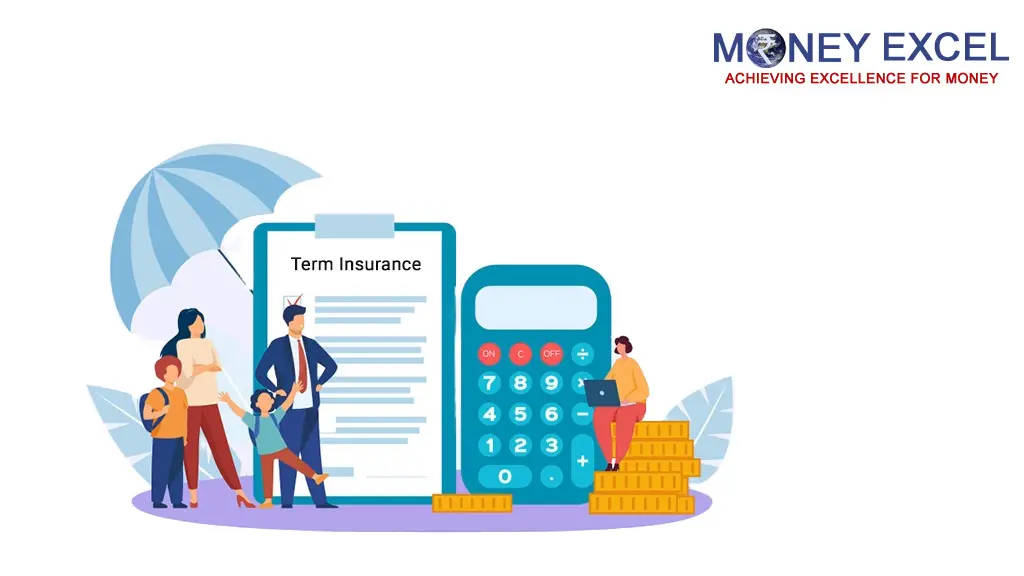
The Importance of Using a Term Insurance Calculator for Financial Planning

Financial planning is a crucial aspect of securing our future and that of our loved ones. In the realm of financial security, term insurance plays a pivotal role. It provides a safety net for your family in case of unforeseen events. However, merely purchasing term insurance is not enough. To ensure that you make informed decisions aligned with your financial goals, it’s imperative to leverage a powerful tool – the term insurance calculator.

Term Insurance Calculator

Understanding Term Insurance:

Before delving into the importance of a term insurance calculator, let’s grasp the basics of term insurance. Term insurance is a straightforward life insurance product that offers coverage for a specified term. In the event of the policyholder’s demise during the term, the beneficiaries receive a predetermined sum assured.

The Role of a Term Insurance Calculator:

Now, let’s shift our focus to the unsung hero of financial planning – the term insurance calculator. This online tool simplifies the complex process of determining the right coverage amount. By considering various factors such as age, income, liabilities, and future financial goals, a term insurance calculator helps you arrive at a sum assured that aligns with your unique needs.

Key Benefits of Using a Term Insurance Calculator:

  • Customization:
    • A term insurance calculator allows you to tailor the coverage amount based on your specific financial situation. This ensures that you neither over-insure nor under-insure yourself.
  • Affordability:
    • By inputting your financial details, the calculator provides an estimate of the premium you need to pay. This transparency helps you choose a plan that fits within your budget.
  • Future Planning:
    • The calculator considers your future financial goals, like your child’s education or marriage. This forward-looking approach ensures that your family’s needs are adequately met even if you’re not around.
  • Informed Decision-Making:
    • Armed with accurate data, you can make informed decisions about the tenure of the policy. A term insurance calculator assists in finding the optimal balance between coverage duration and premium affordability.

How to Use a Term Insurance Calculator:

Using a term insurance calculator is a straightforward process:

  • Enter Personal Details:
    • Provide accurate information about your age, income, and any existing liabilities.
  • Specify Financial Goals:
    • Clearly outline your future financial goals, such as your child’s education or paying off a mortgage.
  • Review Recommendations:
    • The calculator will generate a recommended coverage amount and premium. Take the time to understand and analyze these recommendations.
  • Compare Plans:
    • Armed with your calculated coverage amount, explore different term insurance plans. Compare premiums, features, and claim settlement ratios to make an informed decision.

Conclusion:

In the dynamic landscape of financial planning, the term insurance calculator emerges as a beacon of clarity. It empowers individuals to make choices aligned with their unique circumstances and aspirations. As you celebrate the security that term insurance provides for your family, don’t forget to embrace the convenience and accuracy offered by a term insurance calculator.

In the journey towards financial well-being, let the term insurance calculator be your trusted companion. It’s not just a tool; it’s a key to unlocking a future where your loved ones are safeguarded, and your financial legacy endures.