
Blog Page 191

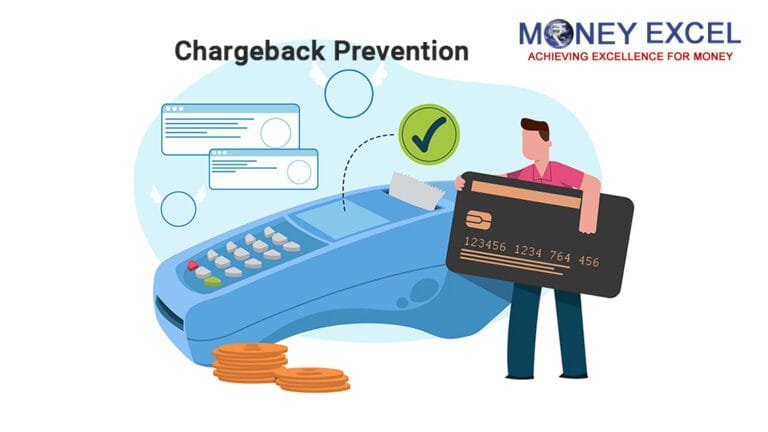
The Ultimate Guide to Chargeback Prevention for Online Businesses

Every business comes with its share of unavoidable costs. Both online and offline businesses bear costs for maintenance, spoilage, and taxes.

But one of the major concerns of online businesses is chargebacks. These can sometimes seem inescapable, but you can avoid chargebacks.

They can cause potential damage to the revenue and reputation of online businesses. Chargeback preventions are, at times, difficult and time-consuming. Thus, every online business needs to figure out ways to prevent them in the first place. 

If you’re finding it difficult to understand where to start from, don’t worry. This article provides a comprehensive guide to safeguard your company from potential chargebacks. At the same time, you may also read to know about Chargebacks911 and get a basic idea about the same.
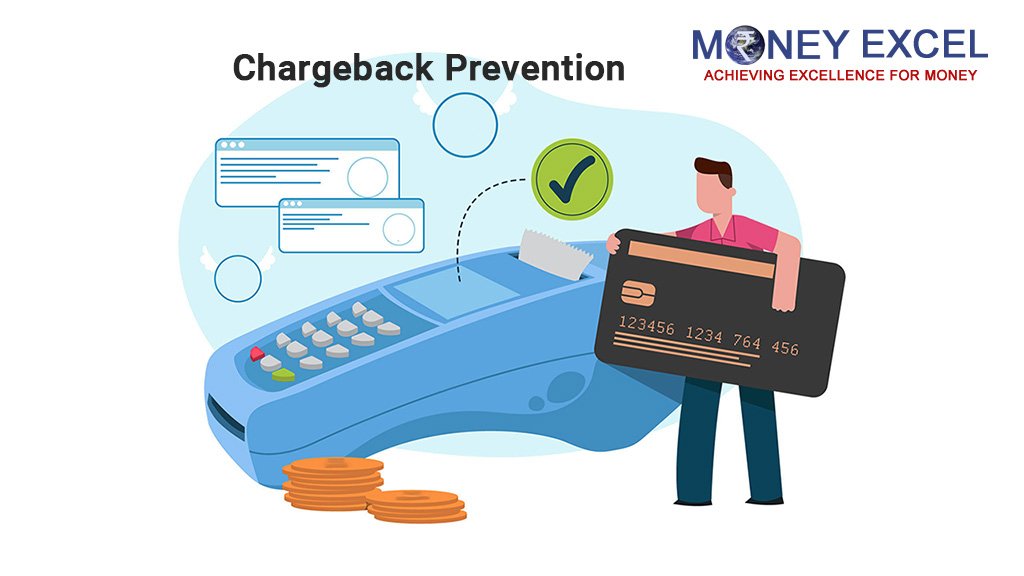
chargeback prevention

What Are The Common Chargeback Possibilities?

Chargebacks can occur due to several reasons. First, we’ll discuss the most common ones. Then we can move ahead with the prevention strategies.

Chargeback of Merchant Errors

A ‘merchant error’ in chargebacks refers to a specific mistake made by the online business. Here, it failed to deliver the purchased item/s as per the cardholder’s request. 

It also implies that the business had imposed an incorrect charge due to duplicate or unauthorized transactions.

Merchant errors mainly occur because of their:

  • Unclear policies
  • Misleading marketing
  • Shipping problems
  • Unresponsive customer service
  • Processing errors

Chargeback of Criminal Fraud

Criminal fraud is widespread when it comes to chargebacks for online businesses. This happens when someone uses stolen credit cards for unauthorized transactions. The rightful cardholder can issue a chargeback upon finding transactions that they did not start. 

Chargeback of Friendly Fraud

Friendly fraud is when chargebacks are illegitimate. In such cases, the chargeback reversal percentage is also higher. These chargebacks help online businesses improve their reputation with banks.

The Ultimate Guide to Chargeback Prevention for Online Businesses

When it comes to chargeback prevention, there are numerous options available for online merchants. They first need to identify the source of chargebacks and then work out a strategy that effectively prevents them. Selecting the right strategy will give a long-lasting ROI and help maintain the company’s reputation.

So, without much ado, let’s check out the various chargeback prevention methods.

Clear And Transparent Communication

One of the fundamental strategies to prevent chargebacks is establishing clear and transparent customer communication. This is important for online businesses because they operate in the virtual space.

Online businesses must ensure clear terms and conditions, product descriptions, pricing details, and refund policies. They can also offer the following to maintain transparency in their communications:

  • Email service
  • Live chat
  • Multiple customer helpline numbers

These help customers reach out to online businesses in case of queries or concerns. They also reduce customer frustrations and misunderstandings. These result in preventing chargebacks.

Secured Fraud Detection System

Online businesses must invest in robust fraud detection systems. They can use tools like

  • Card security codes (CVV / CVC)
  • Address verification service (AVS)
  • 3D secure authentication

These methods provide an extra protective cover against chargebacks. Many online businesses today use AI or ML algorithms. These analyze transaction patterns and raise an alert whenever they find anything suspicious.

These also help to investigate potentially fraudulent orders and thereby reject transactions. Online businesses can reap instant advantages using these solutions and prevent chargebacks.

Detailed and Accurate Order Documentation

Maintaining and filing a detailed record of all customer transactions is crucial for online businesses. It helps them prevent possible chargebacks. They should archive every transaction detail. These include:

  • Shipping address
  • Customer information
  • Purchase history
  • Timestamps
  • IP addresses

In case there is an event of a customer dispute, online businesses can refer to these documents. It helps them cross-check for customer authorization. These documents help in chargeback claim resolution and also prevent potential financial losses. 

Prompt Customer Support

Besides having good customer support service, you should also focus on addressing customer issues on time. A timely response demonstrates a commitment to service. It also reinforces trust in both existing and potential customers. 

It will also be beneficial if online businesses offer a streamlined return process. This way, they can prevent chargebacks. It will further encourage the customers to request direct refunds. Thus you need to maintain a proactive and professional outreach service. This helps in building positive and long-term customer relationships.

Easy Refund and Returns

Easy and transparent return and refund policies are important for chargeback prevention. Online businesses must mention their return, exchange, and refund policies on their websites. This can help them nullify chargebacks.

Make sure to add a click-box for customers to acknowledge the policies before they place an order. This avoids misunderstandings and manages customer expectations. Online businesses can also offer store credits and partial refunds. This helps to hold on to customers while keeping a check on financial losses.

Optimize Checkout Experience

A streamlined and simplified checkout process is very important for chargeback prevention. It will ensure that no errors arise that can lead to chargebacks.

Online businesses should also tie up with reputed patent gateways. These have robust, in-built fraud protection features. These make the purchase process secure, seamless, and error-free. As a result, businesses can combat chargeback issues and improve customer satisfaction.

Final Thought

Often, when you feel you cannot handle repeated chargebacks, you can seek help. Professional chargeback companies audit your business, customer base, and transaction records. They offer some of the best prevention tools you can employ in your business.

Chargebacks damage both the funds and the face of an online business. So it is important to have good knowledge about the pros and cons of online transactions. Thus, you can establish your company as a leading e-commerce platform without compromising on revenue.

FAQs

What are chargeback prevention alerts?

Online business platforms install chargeback prevention alerts in their billing systems. These notify the merchant in case of suspicious transactions.

What will happen if I get too many chargebacks?

If your chargebacks cross a pre-defined number, your business will be a high-risk one.

What is a No Chargeback Agreement?

The No Chargeback Agreement requires a customer to work out disputes directly with the online merchant. They don’t involve the bank in this case. 

Top 5 things to do with your windfall in 2023

Have you ever indulged in the delightful daydream of what you would do in the event of winning the lottery? Perhaps you envision yourself embarking on a luxurious vacation or acquiring that breathtaking seven-bedroom mansion you’ve been admiring on Zillow. At some point in our lives, we’ve all likely pondered how we would handle a substantial influx of money magically appearing in our bank accounts. But what if this hypothetical scenario becomes a reality?

Whether it be through a generous stimulus check, a substantial tax refund, a significant work bonus, a fortuitous lottery win, or a triumphant streak at the casino, the temptation to swiftly spend such funds becomes incredibly enticing. Suddenly, that expensive sports car or the idyllic overwater bungalow in Bora Bora starts to appear within grasp.

However, it is crucial to pause and reflect for a moment. While spending every penny of your newfound wealth in one fell swoop may provide momentary euphoria, strategically planning for the utilization of this windfall has the potential to transform it into lasting prosperity. Therefore, allow me to share a few valuable tips on how to effectively allocate a financial windfall if you should ever find yourself in this fortunate position.

windfall money

What is a Windfall?

Windfall refers to an unexpected, large, and often sudden financial gain or profit that occurs as the result of an unlikely occurrence rather than planned or regular income streams. Here are two examples of windfalls:

  • Winning big in a lottery or game of chance can be seen as an unexpected windfall that provides sudden wealth gains that were unexpected by its winner. Regardless of the small price of a lottery ticket, if it results in a big jackpot, it’s considered a windfall.
  • Receiving an inheritance can be considered a welcome surprise. Receiving assets like money, property, and investments from a deceased relative can significantly improve one’s financial status and bring unexpected changes that can help one improve their finances unexpectedly.

5 things to do with your windfall

Pay down your debt

If you find yourself burdened with debt, a sudden windfall presents an excellent opportunity to alleviate a significant portion of it. To effectively determine which debts should take priority for repayment, it is crucial to assess the interest rates associated with each loan. Start by identifying the loan with the highest interest rate, whether it pertains to credit cards, home loans, or auto loans. By focusing your attention on this particular debt, you can lay the foundation for substantial progress.

While it may not be feasible to entirely eliminate the outstanding debt with your newfound financial resources, allocating a substantial portion of the windfall towards this loan will yield remarkable strides in swiftly reducing your debt load. Additionally, this approach enables you to potentially shorten the repayment terms, offering a quicker path to financial freedom.

Create an emergency fund

An ingenious approach to maximizing your windfall is to establish a safeguard reserve. This unique fund acts as a financial cushion, allowing you to gracefully navigate unforeseen circumstances like exorbitant medical bills, unexpected vehicle repairs, or sudden unemployment. Cultivating an emergency fund is of utmost importance as it shields you from resorting to debt in times of crisis.

The optimal emergency fund should amass a sufficient sum capable of covering your living expenses for a substantial period, ideally ranging from three to six months. To amplify your financial gains, consider housing your emergency fund in a high-yield savings account or a dynamic money market account. These avenues not only offer appreciable interest rates but also ensure quick and hassle-free accessibility to your funds when required.

Invest in the stock market

For those new to the realm of investing, micro-investing proves to be a promising choice. Utilizing user-friendly applications such as Acorns, Stash, Robinhood, and Betterment, you can effortlessly commence your investment journey with minimal effort.

These apps, including Betterment, offer the added advantage of providing access to financial experts who can offer valuable insights regarding your investment strategy. However, should you prefer a more personalized approach, seeking out the services of a fee-only financial planner within your locality is an astute decision. Fee-only financial planners operate under a compensation structure that revolves around you, the client, rather than earning commissions based on the financial products they promote. Consequently, their commitment lies in prioritizing your best interests.

Collaborating with a financial planner grants you the opportunity to discern the investments that align with your budgetary constraints and long-term objectives, ensuring a well-rounded financial strategy.

Start your own business

Having access to an unexpected windfall of money can give you the perfect chance to turn your entrepreneurial dreams into a reality. Begin by taking stock of what interests and skills are most relevant to you – consider which hobbies or expertise lie closest to where your strengths lie, then select an idea that supports them both to increase chances of success.

Once you have an idea for a business venture in mind, conduct detailed market research. Examine demand for your product or service among target audiences as well as competitors; this research can help validate your idea and make informed decisions.

Next step is to construct an in-depth business plan outlining your goals, target market, competition analysis, marketing strategies, financial projections and more. A thorough plan will serve as the roadmap for your venture while simultaneously attracting investors or partners who could help fund it. You may want to get professional help to make sure you do things the right way.

Buy yourself something small

We understand the irresistible temptation to splurge your newfound funds on that coveted item from your long-standing Wishlist, such as that state-of-the-art entertainment system you’ve diligently saved for. However, exercise caution before hastily clicking the “Buy Now” button. While it is advisable to continue saving for that significant purchase by allocating funds to a dedicated “dream fund,” it is essential not to impose overly strict limitations on yourself. Instead, allow yourself to experience a touch of indulgence with this windfall. Consider spending a small fraction (around 5-10%) of the newfound wealth on something truly delightful for your personal enjoyment. By treating yourself in moderation, you infuse a sense of gratification into the act of saving, making the endeavour even more worthwhile.

Diversify Your Portfolio: Discover 5 Alternative Investments

Most investors were earlier only limited to stocks, bonds and mutual funds as tools to make money work for them. Real estate, asset leasing, precious metals or any other form of alternative investments were only held by Ultra-HNIs as they required a very large investment. Since the rise of online trading and cryptocurrency, the domain of non-traditional investments is becoming more accessible and affordable. 

These are called Alternative Investments and they offer several advantages over conventional investments. They can help you:

  • Achieve higher returns by tapping into new sources of growth and income
  • Reduce risk by diversifying your portfolio across different sectors and markets
  • Protect your wealth from inflation and market volatility
  • Access new opportunities and innovations that are not yet available in the public markets

According to a recent Cerulli Associates poll, asset managers raised their investments in non-traditional assets by nearly 5% over the previous year in order to diversify their portfolios and limit risk. 

However, alternative investments also come with some challenges and risks. They can be:

  • Illiquid and hard to sell quickly
  • Expensive and complex to buy and manage
  • Subject to less regulation and transparency
  • Difficult to value and measure performance

Here are five popular alternative investment options that you should know about.

alternative investment

5 Alternative Investment Options You Can Consider

#1 Asset Leasing

With this investment option, retail investors can lease assets to big corporations/companies which does two things:

– For companies – It helps them expand their business and help in operations. Moreover, it allows them to avoid the hefty upfront costs of owning assets.

– For investors: It gives them access to recurring income in the form of returns during the tenure of the lease. These are medium to long-term options and are worth considering for investors that are looking to generate passive income. 

Asset leasing can be a lucrative alternative investment because it offers the following:

  • Stable and predictable income from the lease payments
  • Direct or indirect ownership and control of the asset
  • Protection from stock market fluctuations and inflation
  • Higher returns than traditional fixed income options like FDs

In-depth due diligence should be done on the asset, the lessee, and the lease agreement before you participate in asset leasing. There are platforms like Grip that helps investors #GoBeyond inflation, volatility & low returns and provides investors the opportunity to invest in lucrative alternative investment opportunities like asset leasing.

#2 Corporate Bonds

Corporate bonds are debt instruments that businesses issue to raise money. Until the bonds mature, they pay the bondholders an interest rate that is fixed (coupon). Bondholders receive their principal returned at maturity.

Corporate bonds can be a good alternative investment because they offer the following:

  • Higher returns than government bonds or bank deposits
  • Regular income from the coupon payments
  • Priority over equity holders in case of bankruptcy or liquidation
  • Access to a large and diverse market of issuers

However, corporate bonds also carry some risks and challenges. They are:

  • Subject to credit risk or default risk by the issuer
  • Sensitive to interest rate changes and market conditions
  • Prone to liquidity risk or difficulty in finding buyers or sellers
  • Exposed to currency risk or exchange rate fluctuations if denominated in foreign currencies

One should research the issuer’s credit standing and financial stability before investing in corporate bonds. To lower your risk, diversify your portfolio across several industries, maturities, and currencies. 

#3 Invoice Discounting

Purchasing invoices from companies at a discount and then collecting the full amount from their clients is the short-term financing method known as invoice discounting. Your profit is the sum of the invoice amount less the reduced price.

Invoice discounting can be an attractive alternative investment because it offers the following:

  • High returns in a short period of time
  • Low risk as invoices are backed by goods or services delivered
  • Scalability as invoices can be bought in small or large quantities

However, invoice discounting also involves some risks and challenges. You have to:

  • Verify the authenticity and validity of the invoices
  • Ensure the timely collection and payment of the invoices
  • Comply with the legal and regulatory norms

Therefore, before you invest in invoice discounting, you should do a careful screening and analysis of the invoices, the businesses, and their customers. You should also use a reliable platform or service provider that can facilitate the invoice discounting process and mitigate the risks.

#4 Startup Equity

Startup equity is a form of ownership in a new or emerging business that has high growth potential. Startup equity can be acquired through various ways, such as angel investing, venture capital, crowdfunding, employee stock options or investing in startup equity options available on platforms like Grip.

  • Startup equity can be a rewarding alternative investment because it offers the following:
  • High returns if the startup succeeds and goes public or gets acquired
  • Equity appreciation as the startup grows and increases its valuation
  • Participation in the innovation and disruption of various sectors and markets
  • Social impact by supporting entrepreneurs and their vision

However, startup equity also carries high risks and challenges. They are:

  • Highly speculative and uncertain as most startups fail or underperform
  • Illiquid and long-term as startups take time to mature and exit
  • Dilutive and volatile as startups raise multiple rounds of funding and face competition
  • Complex and costly as startups require legal, financial, and operational due diligence

You should thoroughly investigate and assess the company, its team, its product, its market, and its traction before investing in startup equity. To lower your risk, you should diversify your portfolio across several phases, industries, and regions.

#5 Real Estate

Real estate is a dynamic and fascinating industry with several investment options. There are several compelling reasons why commercial real estate should be considered as a potential alternative investment. Commercial real estate or commercial property can be a profitable alternative investment because it offers the following:

  • Steady income from rents or leases
  • Capital appreciation from property value appreciation
  • Tax benefits from depreciation and deductions
  • Hedge against inflation and market volatility

However, commercial real estate also entails some risks and challenges. They are:

  • Capital intensive and illiquid as properties are expensive and hard to sell
  • Maintenance is intensive and costly as properties require upkeep and repairs
  • Subject to market cycles and demand fluctuations
  • Affected by environmental, social, and governance factors

To mitigate some of the risks and challenges associated with investing in real-estate, you can consider investing in listed REITs or fractional real-estate platforms that allow you to invest in small ticket sizes and diversify your investment, while taking care of all the operational aspects of managing the real-estate. 

Conclusion

Alternatives offer a new way to make more from your hard-earned cash. These 5 alternatives can help you get started.