


Blog Page 111

NRI Home Loan – Checklist

0

Purchasing property in India is a dream many Non-Resident Indians (NRIs) cherish. Whether it’s a cozy apartment in your hometown or a luxurious villa by the beach, securing a piece of home can be deeply meaningful. But let’s face it: navigating the world of NRI home loans can be tricky! From strict eligibility criteria to required documentation and complicated legal requirements, there’s a lot to consider.

This article will guide you through the essential checklist for applying for an NRI home loan, helping you understand what’s needed and what to expect. With a clear plan in place, you can tackle the process with confidence and enjoy a smooth transition into homeownership in India. So, ready to dive in?

NRI Home Loan Checklist

What Is an NRI Home Loan?

An NRI home loan is a specific type of loan tailored to Non-Resident Indians who want to invest in residential or commercial property in India. Many banks and financial institutions provide such loans, but the application process for NRIs is slightly more complex than it is for residents. This is largely because of the unique income verification, residency status, and regulatory requirements applicable to NRIs.

With the right preparation, though, you can ease through the process! The following sections will take you through everything you need to prepare before applying.

Eligibility Criteria

Before applying for an NRI home loan, it’s essential to know if you qualify. While the eligibility requirements vary from one bank to another, most institutions consider the following criteria:

Age Limit

Most lenders require applicants to be between 18 and 60 years old. However, age can vary slightly depending on the bank’s policies, with some extending the age limit up to 65 years.

Employment Status

Lenders generally prefer NRIs employed in stable jobs abroad, such as those working in Gulf countries, the United States, or the United Kingdom. Self-employed NRIs may also qualify, but the documentation requirements can be more stringent.

Minimum Income Requirement

The income requirement often depends on the country of employment, with minimum annual earnings ranging between USD 5,000 and USD 42,000, depending on the loan amount. For example:

  • Gulf Countries: Monthly income typically above AED 5,000
  • United States and Canada: Annual income above USD 25,000
  • UK and Europe: Annual income above GBP 20,000

Credit Score

NRIs generally need a strong credit score, usually above 650, to qualify for a home loan. A robust credit score helps boost your chances and may even secure you a lower interest rate.

Tenure of Employment

Banks often prefer NRIs with at least two years of continuous employment abroad. This demonstrates stability and gives the lender more confidence in the borrower’s repayment ability.

Essential Documents Checklist for NRI Home Loan

Documentation is one of the trickiest parts of applying for an NRI home loan. Gather the following documents to ensure a smooth application process:

Proof of Identity

  • Passport: A valid passport with a visible visa stamp.
  • OCI or PIO Card (if applicable): These documents establish NRI status for people of Indian origin who hold foreign citizenship.

Proof of Address

You’ll need both a foreign residence address and a permanent Indian address, which might be your family home or a property you already own. Required documents may include:

  • Overseas Address Proof: Utility bills, rental agreements, or bank statements.
  • Indian Address Proof: Aadhaar card, property tax bill, or family utility bill.

Income Proof

  • Employment Contract or Offer Letter: A recent contract or offer letter to confirm job stability.
  • Salary Slips: Three to six months’ worth of salary slips.
  • Bank Statements: Six months of bank statements from your overseas and Indian bank accounts.

Property Documents

If you’ve identified a property, banks may require preliminary documents such as:

  • Sale Agreement or Allotment Letter: Documentation showing intent to purchase.
  • No-Objection Certificate (NOC) from the property developer (for under-construction properties).
  • Encumbrance Certificate: This establishes that the property is free from legal liabilities.

Power of Attorney (POA)

A Power of Attorney (POA) is crucial for NRIs, as it allows someone in India to act on your behalf. Banks often require a POA because it eases documentation and verification processes. Usually, your POA must be notarized and registered in India.

NRI Home Loan Process: Step-by-Step Guide

Getting your NRI home loan approved is a multi-step process. Here’s a quick rundown:

Step 1: Identify the Property

Make sure the property is legally clear and has all necessary approvals. Many lenders provide a list of approved developers and projects, making it easier to select a property that meets eligibility.

Step 2: Choose the Right Lender

Comparing lenders is critical. Look for competitive interest rates, customer reviews, and the bank’s track record in serving NRIs. Consider:

  • Interest rates and repayment options
  • Processing fees and additional charges
  • Support for NRIs (like dedicated helplines or overseas branches)

Step 3: Submit Application and Documents

Once you’ve chosen a lender, submit your completed application along with the required documents. Many banks offer online application facilities specifically for NRIs.

Step 4: Verification and Sanction

The bank will verify your documents, assess your creditworthiness, and conduct a property valuation. If all goes well, they’ll sanction your loan, specifying the loan amount, interest rate, and tenure.

Step 5: Disbursement

Once the loan is sanctioned, funds will be disbursed directly to the property seller or developer, typically in installments.

Key Challenges in Securing an NRI Home Loan

Currency Exchange and Fluctuation

Currency conversion can impact your monthly repayments, especially if the exchange rate shifts. Consider consulting a financial advisor if currency exchange rates may affect your budgeting.

Legal Complications

India’s real estate regulations vary across states, and NRIs often face complications due to unfamiliarity with local laws. Be sure to consult a real estate lawyer, who can help you navigate these complexities.

Limited Access to Property Verification

Since you’re residing abroad, physically inspecting the property might be tough. A reliable representative or POA holder can be immensely helpful here.

FAQs on NRI Home Loan

Can NRIs apply for home loans jointly with residents?

Yes, most lenders allow joint applications with an immediate family member residing in India.

Are NRIs eligible for tax benefits on home loans?

Yes, NRIs can claim tax benefits under Section 80C on home loan principal repayment and Section 24(b) on interest payments, subject to Indian income tax laws.

Can NRIs prepay their home loan in foreign currency?

No, typically, RBI regulations require loan repayments in Indian Rupees. However, you can remit funds from overseas for this purpose.

How does repatriation of property sale proceeds work for NRIs?

NRIs can repatriate funds from property sales, subject to FEMA guidelines. Generally, repatriation is allowed for up to two residential properties.

Do banks offer special NRI home loan interest rates?

Some banks may offer promotional interest rates for NRIs, though they’re usually similar to resident interest rates.

Final Checklist Before Applying

Here’s a quick rundown to make sure you’re set for your loan application:

  • ✅ Double-check eligibility criteria and income requirements
  • ✅ Gather all essential documents like passport, income proof, and property documents
  • ✅ Appoint a Power of Attorney (POA) holder in India
  • ✅ Compare interest rates and terms across multiple lenders
  • ✅ Consider consulting a financial advisor to assess affordability

Conclusion

Navigating the NRI home loan process might feel like a whirlwind at first, but with the right information and preparation, you can secure a loan that suits your needs and makes your dream of owning property in India a reality. With this checklist in hand, you’re equipped to tackle the journey ahead with confidence.

So, go ahead, take that first step toward owning a slice of India, and enjoy the peace of mind that comes with a well-planned investment!

From Confusion to Clarity: Mastering the Nuances of TDS Return Forms

0

TDS (Tax Deducted at Source) is an important compliance requirement under the Indian Income Tax Act, 1961. While TDS itself ensures timely tax collection, the filing of TDS returns requires accuracy and understanding of the various forms involved. The confusion often arises from the diverse set of forms that need to be filed depending on the type of transaction or income being taxed. Whether you’re an employer, business owner, or individual, mastering the nuances of TDS return forms is essential for smooth compliance and avoiding unnecessary penalties.

This guide breaks down the key aspects of TDS return forms, ensuring that the complexity is simplified for seamless filing.

TDS Return Forms

1. Understanding Different TDS Return Forms

There are several types of TDS forms, each designed for specific types of payments and deductions. Let’s take a closer look at the most commonly used TDS return forms:

  • Form 24Q: This form is used for the deduction of TDS on salaries. Employers must submit this form quarterly, detailing the salary paid and the TDS deducted from employees.
  • Form 26Q: For non-salary payments like professional fees, interest, dividends, etc., Form 26Q is used. It’s a broad form applicable to most payments other than salaries.
  • Form 27Q: This form is used for payments made to non-residents, other than salaries, such as interest or royalties. It ensures the correct reporting of TDS deductions on payments to foreign entities or individuals.
  • Form 26QB: When you buy immovable property worth more than ₹50 lakh, you are required to deduct TDS on the transaction. Form 26QB is used for reporting this.
  • Form 26QC: Applicable for TDS on rent payments, this form is used when rent payments exceed ₹50,000 per month.
  • Pro Tip: Ensure that the right form is used based on the nature of the payment. Filing returns using the wrong form can result in confusion, delays, or even notices from the tax department.

2. Filing Frequency and Deadlines

Each TDS return form needs to be filed quarterly. The due dates for filing TDS returns are typically:

  • Q1 (April to June): July 31
  • Q2 (July to September): October 31
  • Q3 (October to December): January 31
  • Q4 (January to March): May 31
  • Pro Tip: Missing deadlines leads to late filing fees under Section 234E, which amounts to ₹200 per day until the return is filed, subject to the total TDS amount deducted.

3. Decoding Form 24Q: Salary Payments

As one of the most common TDS forms, Form 24Q is used to report TDS deductions on employee salaries. The form has two annexures:

  • Annexure I: Includes details about the deductor and the deductees, such as TAN, PAN, and the amount deducted.
  • Annexure II: Contains salary details of the employees and tax computations for the entire financial year.
  • Pro Tip: Ensure accurate entry of salary data and deductions for employees, including details of exemptions under Section 80C, Section 80D, etc.

4. Understanding Form 26Q: Non-Salary Payments

Form 26Q is used for reporting TDS deductions on payments other than salaries. This includes professional fees, interest, dividends, rent, and more. It is the most commonly used form by businesses and individuals who make payments to contractors, freelancers, or other service providers.

  • Pro Tip: Keep accurate records of all payments made during the quarter and ensure the timely deduction of TDS. Any delay in TDS deduction or deposit can attract interest under Section 201(1A).

5. Form 27Q: Non-Resident Payments

Form 27Q is mandatory for anyone making payments to non-residents. This includes payments such as interest, royalty, or any other income taxable in India for non-residents. It is crucial to determine whether the provisions of Double Taxation Avoidance Agreements (DTAA) are applicable.

  • Pro Tip: Always verify the PAN of non-residents to avoid TDS deductions at a higher rate of 20%, and ensure compliance with the relevant tax treaties.

6. Simplifying Form 26QB: TDS on Property

If you’re buying property worth more than ₹50 lakh, Form 26QB must be filed to report the TDS deducted. The buyer, not the seller, is responsible for deducting and depositing TDS on the transaction. The rate of TDS for property transactions is 1%.

  • Pro Tip: Don’t forget to issue Form 16B to the seller, which acts as proof of the TDS deduction, and ensure that the TDS is deposited with the government within 30 days from the end of the month in which the deduction is made.

7. Form 26QC: TDS on Rent Payments

With rental agreements becoming increasingly common, Form 26QC applies when rent payments exceed ₹50,000 per month. As per Section 194-IB, individuals paying rent are required to deduct 5% TDS. This is usually applicable to tenants renting residential properties.

  • Pro Tip: Tenants are required to generate Form 16C, which is a certificate issued to landlords as proof of TDS deduction.

8. Avoiding Common TDS Form Filing Errors

Filing TDS returns can be a meticulous task, but the consequences of errors can lead to scrutiny or penalties. Some of the most common errors include:

  • Incorrect PAN of the deductee.
  • Late or non-filing of returns.
  • Wrong TDS rates applied.
  • Mismatch in challan details.
  • Pro Tip: Use the TRACES portal (TDS Reconciliation Analysis and Correction Enabling System) to verify PAN, file corrections, and reconcile data to avoid errors.

9. Late Filing Fees and Penalties

Failure to file TDS returns on time attracts penalties under Section 234E, where you are charged ₹200 per day of delay. Additionally, if the TDS return is incorrect, penalties under Section 271H can apply, ranging from ₹10,000 to ₹1,00,000.

  • Pro Tip: Always set reminders and use reliable accounting software to track deadlines, ensuring timely submission of TDS returns and minimizing penalties.

10. Correcting Mistakes with Revised TDS Returns

If errors are found after filing the TDS returns, you can submit a revised return. The revised return must include the correct details and will replace the original return.

  • Pro Tip: Filing a revised TDS return as soon as an error is spotted ensures deductees can claim their TDS credits smoothly without disputes.

11. Issuing TDS Certificates (Form 16 and Form 16A)

After filing the TDS return, you must issue Form 16 or Form 16A to the deductees, which serves as proof of tax deduction. While Form 16 applies to employees (salary), Form 16A applies to non-salary payments.

  • Pro Tip: Timely issuance of TDS certificates improves transparency and helps deductees claim their tax credits during the income tax return filing process.

Conclusion: Mastering TDS Return Forms for Stress-Free Compliance

TDS return filing doesn’t have to be overwhelming if you understand the different forms and requirements associated with each. With the right knowledge, tools, and timely submission, you can ensure hassle-free compliance and avoid penalties. By mastering the nuances of TDS return forms, you not only safeguard your business but also contribute to a smoother tax filing ecosystem for all parties involved.

How Can You Turn Around a Struggling Business? 5 Growth Tips That Can Help

When your business is headed towards imminent doom, it can feel more than overwhelming. Declining sales, cash flow issues, and low morale can make it seem like recovery is out of reach. However, businesses that appear to be failing can often find a path to growth with the right strategies. It takes a clear plan, resourceful thinking, and the willingness to make bold changes, but businesses can often reverse course and start thriving again. Here are five key strategies that can help turn things around when your business is tanking fast. 

Struggling Business Growth

Boost Your Presence Through Online Marketing 

One of the first things a struggling business should focus on is its online presence. Online marketing is critical for any business that wants to stay competitive. Whether your company has been slow to embrace online channels or you need to refine your digital strategies, this is where you can make a huge difference. 

Effective online marketing can help you reach a broader audience without spending a fortune. By creating targeted campaigns and leveraging platforms like social media, different search engines, and email marketing, you can engage with potential customers more effectively. For businesses that are struggling, making the most of your online platforms can be the first step in turning things around. Strategies like branding and effective marketing are essential for boosting your visibility and credibility online. 

Get Smart About Business Loans and Credit

If your business is experiencing a severe downturn, securing additional funds may be necessary to keep things afloat. But taking on debt during a difficult time can be risky if not done wisely. That’s why it’s important to be strategic about how you use business loans and credit. One option to consider is a stated income business line of credit, which can provide the liquidity you need without requiring extensive documentation. 

This line of credit works by allowing you to access funds based on your stated income rather than detailed financial records. This option can be very helpful for businesses that are experiencing cash flow issues but may not have the lengthy financial statements that traditional loans require. By providing quick access to funds, this type of credit line can help you manage day-to-day expenses, invest in marketing, or even cover emergency needs. 

Revamp Your Customer Service Approach 

When business starts to slow down, it’s easy to assume that your products or services are to blame. However, poor customer service can often be the root of declining sales. If your customers are not having a positive experience with your company, they may take their business elsewhere, and negative reviews can further drive potential customers away. 

Now more than ever, customers expect quick, efficient, and personalized service. Whether they are contacting you through social media, email, or over the phone, every interaction is an opportunity to make a lasting impression. If your customer service is lacking, this is an area that needs immediate attention. 

Reevaluate Your Pricing and Offerings 

If your business is struggling, it might be time to reassess your pricing structure and the products or services you offer. Sometimes, businesses fail to grow because they are either priced too high for the market they are serving, or they’re not offering what customers really want. By taking a fresh look at your pricing and offerings, you may find opportunities to reposition your brand in a way that attracts more customers. 

Start by evaluating the feedback you’ve received. Are customers telling you that your products are too expensive? Or, are they saying that the quality doesn’t justify the price? These are important questions to ask, as they can help you determine if adjustments are needed. You may also want to look at your competitors to see how their pricing compares to yours and whether there are any gaps in the market you can fill. 

Focus on Employee Morale and Productivity 

When business is slow, it’s not uncommon for employee morale to take a hit. Lower sales and financial stress can affect everyone in the company, leading to decreased productivity and engagement. If your team isn’t motivated or doesn’t feel valued, it can become a self-fulfilling cycle where low morale leads to even worse business outcomes.

One of the most effective ways to turn things around is to focus on your employees. Invest in their professional development, offer recognition for hard work, and encourage open communication about any concerns they may have.
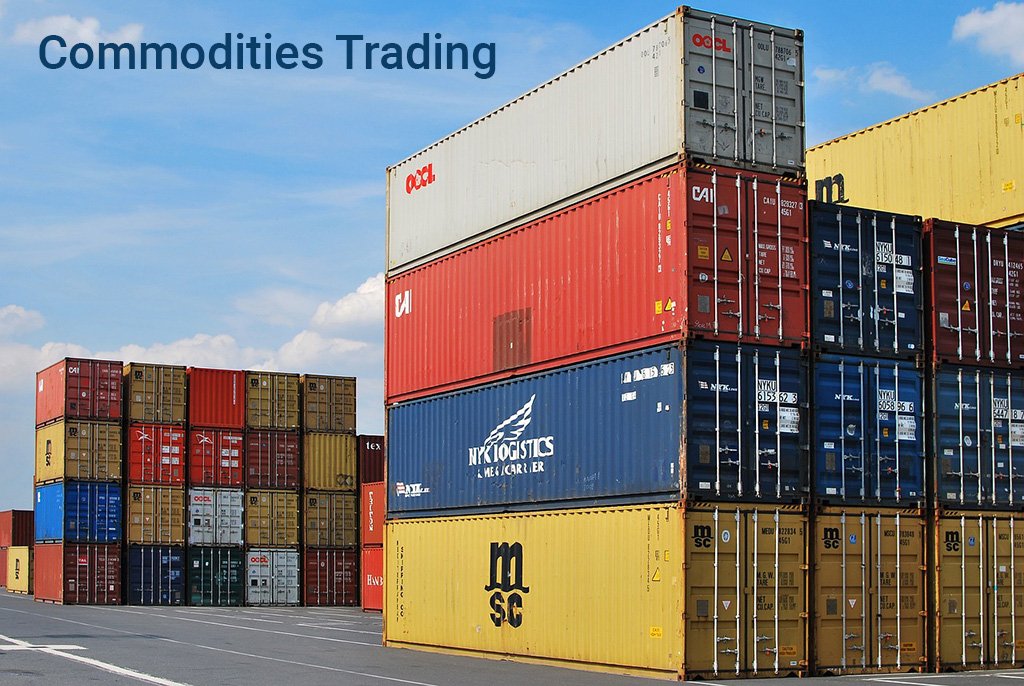
Commodities Trading: A Beginner’s Guide

Explore Commodities Trading and Diversify Your Investments with Vantage Markets

Commodities trading plays a significant role in the financial landscape, providing investors with an avenue to diversify portfolios and hedge against market risks. With the emergence of user-friendly online platforms like Vantage Markets, retail investors can now access the commodities market alongside institutional players. Whether you’re looking to trade precious metals, energy resources, or agricultural products, it’s essential to understand the fundamentals before diving in.

Commodity Trading

This blog offers a comprehensive guide to commodities trading, outlining why it’s a valuable investment strategy and how to begin trading through Vantage Markets.

Understanding Commodities Trading

Commodities trading involves the exchange of raw materials or primary goods that are essential to the global economy. These are generally categorised into two types:

  • Hard Commodities: Extracted or mined resources such as crude oil, gold, and natural gas.
  • Soft Commodities: Agricultural products like wheat, coffee, and sugar, as well as livestock.

Traders can engage in the commodities market through spot trading or futures contracts. Futures contracts are more common, where participants agree to buy or sell a specified quantity of a commodity at a future date, locking in a price to mitigate market risks.

Why Should You Consider Commodities Trading?

There are several compelling reasons to include commodities in your investment strategy:

  1. Diversification: Commodities often behave differently compared to stocks and bonds, making them a useful tool for diversifying your investment portfolio and reducing overall risk.
  2. Inflation Hedge: Commodities tend to retain or increase their value during inflationary periods, offering protection against rising prices. For instance, gold is a traditional inflation hedge, maintaining its value as currency values decrease.
  3. Volatility Opportunities: Commodities markets are sensitive to external events, including geopolitical tensions, natural disasters, and global supply-demand imbalances. This volatility creates potential profit opportunities for traders.
  4. Global Exposure: Trading commodities provides investors with exposure to global economic shifts. For example, increased energy demand in emerging markets may influence crude oil prices, while poor weather conditions can impact agricultural commodity prices.

Popular Commodities for Trading on Vantage Markets

With Vantage Markets, traders can access a wide range of commodities across different sectors, offering diverse trading opportunities:

  • Precious Metals: Commodities like gold and silver are preferred during periods of market uncertainty, acting as safe-haven assets.
  • Energy Commodities: Crude oil, natural gas, and gasoline are essential to global trade, making them some of the most actively traded commodities.
  • Agricultural Commodities: Products such as wheat, coffee, and cotton fluctuate with weather conditions, consumer demand, and economic policies, providing a range of trading options.

How to Get Started with Commodities Trading on Vantage Markets

Trading commodities on Vantage Markets is straightforward and provides a seamless user experience. Here’s how you can begin:

  1. Open a Trading Account: Start by registering with Vantage Markets. You’ll need to provide basic details like your name, email address, and preferred trading currency.
  2. Select a Commodity: Choose a commodity based on your risk tolerance and market outlook. The platform offers a wide array of commodities, including metals, energy products, and agricultural goods.
  3. Conduct Market Research: Before making a trade, thorough research is essential. Use both fundamental analysis (focusing on supply-demand factors, geopolitical events, and economic trends) and technical analysis (examining price charts, trends, and indicators) to inform your trading decisions.
  4. Place Your Trade: Depending on your market view, you can either take a long position (buy) if you expect the price to rise, or a short position (sell) if you anticipate a price decline.
  5. Risk Management: Commodities markets can be volatile, so using risk management tools like stop-loss orders and proper position sizing is crucial to protect your capital.
  6. Monitor and Adjust: After placing your trade, it’s important to keep track of price movements and any market updates. Vantage Markets provides real-time data and advanced analytical tools to help you stay on top of market developments.

Key Trading Strategies for Commodities

Adopting the right strategy is essential for successful commodities trading. Here are a few approaches that can help you navigate this market effectively:

  • Trend Following: This strategy focuses on identifying market trends and trading in the direction of the trend. For example, if crude oil prices are steadily rising due to increased global demand, a trader might take long positions to capitalise on this upward movement.
  • Range Trading: In periods of low volatility, commodities often trade within a specific price range. Traders can buy at the lower end and sell at the upper end of this range to profit from fluctuations.
  • Fundamental Trading: This strategy is based on analysing supply-demand dynamics and other macroeconomic factors. For example, news of reduced oil production from OPEC countries could trigger a rise in oil prices, creating a buying opportunity.

Using Leverage in Commodities Trading

One of the benefits of trading commodities on Vantage Markets is the availability of leverage. Leverage enables traders to control larger positions with smaller capital, amplifying both potential gains and losses. For example, trading crude oil with leverage allows you to gain significant exposure to price movements without investing large amounts of capital upfront.

However, leverage should be used cautiously, as it increases both risk and reward. Ensure you have a well-planned risk management strategy in place before using leverage to trade commodities.

Commodities Trading in India: A Growing Market

India’s commodities trading market is poised for growth as the country continues to develop its infrastructure and demand for raw materials rises. Crude oil and agricultural commodities are of particular interest to Indian traders, given the country’s energy needs and agricultural production capabilities.

For Indian traders, commodities offer an opportunity to tap into global markets and mitigate the risks associated with domestic economic fluctuations. Vantage Markets provides a gateway to these markets, offering access to a variety of commodities with transparent pricing, advanced tools, and customer support.

Conclusion: Trade Commodities with Vantage Markets

Commodities trading offers a wealth of opportunities for portfolio diversification, risk management, and profit generation. Whether you’re a beginner or an experienced trader, Vantage Markets equips you with the tools and resources to trade commodities confidently.

Start your commodities trading journey with Vantage Markets today and take advantage of global market opportunities.